
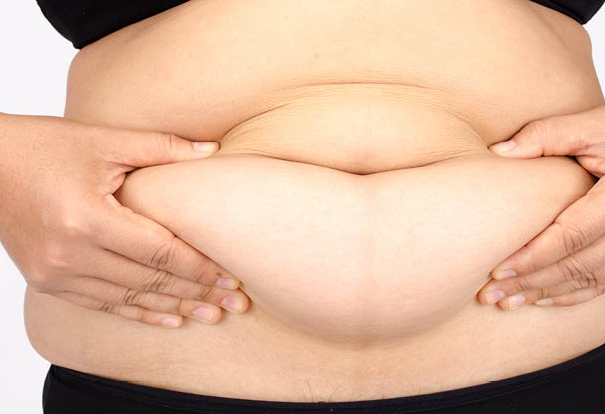
A Balanced Way to Reduce Belly Fat
Reducing belly fat is a common goal for many people, but the approach you choose matters just as much as the goal itself. Quick fixes, extreme diets, and unrealistic promises can often do more harm than good. A balanced, sustainable approach is not only safer but also far more effective in the long run. By focusing on steady habits, mindful choices, and overall well-being, you can work toward a healthier body without unnecessary stress or restriction.
The first step in reducing belly fat is understanding that it is influenced by a combination of factors, including diet, physical activity, sleep, and stress levels. There is no single solution that works overnight. Instead, gradual changes in daily routines tend to produce the most lasting results. This mindset helps avoid frustration and supports a healthier relationship with your body.
Nutrition plays a central role in managing body fat. Rather than following restrictive eating patterns, aim for a balanced diet that includes a variety of whole foods. Fresh vegetables, fruits, whole grains, lean proteins, and healthy fats provide essential nutrients while helping you feel satisfied. Eating regularly and paying attention to portion sizes can also prevent overeating. It is helpful to reduce the intake of highly processed foods and sugary drinks, as these can contribute to excess calorie consumption without providing much nutritional value.
Hydration is another often overlooked factor. Drinking enough water throughout the day supports digestion and may help control appetite. Sometimes, feelings of hunger are actually signs of dehydration. Keeping a regular habit of drinking water can make a noticeable difference in how you feel and how your body functions.
Physical activity is equally important when working toward reducing belly fat. You do not need to engage in extreme workouts to see progress. Consistency is more valuable than intensity. Activities such as walking, cycling, swimming, or light jogging can support calorie balance and improve overall fitness. Strength training is also beneficial, as it helps build muscle, which in turn can support metabolism. Combining different types of movement keeps routines interesting and supports overall health.
Another key element is core engagement, although it is important to note that targeted exercises alone do not eliminate fat in a specific area. Exercises that strengthen the abdominal muscles can improve posture and muscle tone, but overall fat reduction comes from a combination of healthy habits. This balanced perspective helps set realistic expectations and prevents disappointment.
Sleep quality has a significant impact on body composition. Inadequate sleep can disrupt hormones that regulate hunger and appetite, leading to increased cravings and reduced energy levels. Establishing a consistent sleep routine, creating a comfortable sleep environment, and limiting screen time before bed can all contribute to better rest. When your body is well-rested, it is easier to make healthier choices throughout the day.
Stress management is another important factor that is often underestimated. High stress levels can lead to changes in eating patterns and may influence fat storage in the abdominal area. Finding simple ways to relax and unwind can support both mental and physical health. Activities such as deep breathing, gentle stretching, spending time outdoors, or engaging in hobbies can help reduce stress in a natural and sustainable way.
It is also helpful to set realistic and achievable goals. Instead of focusing solely on appearance, consider broader health benefits such as increased energy, improved mood, and better overall fitness. Tracking progress in small ways, like noticing improved stamina or better sleep, can be more motivating than relying only on physical changes. This approach encourages consistency and builds confidence over time.
Consistency is the foundation of any successful lifestyle change. Small, positive habits practiced regularly tend to produce better results than drastic changes that are difficult to maintain. For example, choosing to prepare meals at home more often, taking short walks during the day, or setting aside time to relax can gradually become part of your routine. Over time, these habits can lead to meaningful improvements.
It is important to approach this journey with patience and self-compassion. Everyone’s body responds differently, and progress may not always be linear. There may be periods where results seem slow, but this does not mean your efforts are ineffective. Staying committed to balanced habits is what ultimately leads to lasting change.
Social support can also play a valuable role. Sharing your goals with friends or family members, or simply engaging in activities together, can make the process more enjoyable. Encouragement and accountability from others often help maintain motivation and create a positive environment for change.
Another helpful strategy is mindful eating. Paying attention to hunger and fullness cues, eating slowly, and minimizing distractions during meals can improve your relationship with food. This practice can prevent overeating and help you appreciate your meals more fully. Over time, mindful eating becomes a natural part of a balanced lifestyle.
It is worth noting that reducing belly fat is not just about appearance. Excess abdominal fat can be associated with certain health risks, so adopting healthier habits supports overall well-being. Focusing on long-term health rather than short-term results creates a more meaningful and sustainable motivation.
In conclusion, a balanced way to reduce belly fat involves a combination of healthy eating, regular physical activity, proper sleep, stress management, and consistent habits. There is no need for extreme measures or unrealistic expectations. By making gradual, thoughtful changes and maintaining a positive mindset, you can work toward your goals in a way that supports both your physical and mental health.
