
A Simple Guide to Acne Treatment Options
A Simple Guide to Acne Treatment Options
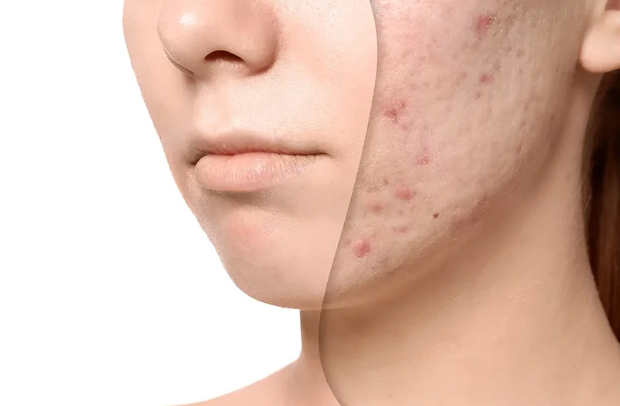
Acne is a common skin concern that affects people of many ages. It can appear as blackheads, whiteheads, pimples, or deeper blemishes on the face, chest, back, and other areas of the body. While acne may be frustrating, a variety of treatment options are available to help manage symptoms and support healthier-looking skin.
One of the most widely used approaches involves over-the-counter skincare products. Ingredients such as salicylic acid and benzoyl peroxide are often included in cleansers, gels, and spot treatments. These products may help reduce excess oil, unclog pores, and improve the appearance of mild acne when used consistently according to product directions.
For individuals with more persistent or widespread acne, a healthcare professional may recommend prescription treatments. These can include topical creams, gels, or other medications designed to address different causes of breakouts. A qualified medical provider can evaluate skin concerns and suggest options based on individual needs.
Daily skincare habits may also play a supportive role. Gentle cleansing, regular removal of makeup, and choosing non-comedogenic skincare products can help maintain a healthy skincare routine. It is generally recommended to avoid harsh scrubbing, which may irritate the skin and make existing concerns more noticeable.
Lifestyle factors may influence skin appearance as well. Adequate sleep, stress management, and a balanced diet can contribute to overall wellness. Although skincare needs vary from person to person, maintaining healthy habits may support long-term skin health.
Because every individual’s skin is unique, results can differ depending on the treatment approach selected. Patience is often important, as improvements may take time to become visible. Consulting a qualified healthcare professional can provide personalized guidance and help determine the most appropriate acne treatment options for specific skin concerns and goals.
