
Balanced Cooking for Everyday Health
Balanced Cooking for Everyday Health
Balanced cooking is one of the simplest ways to support a healthier lifestyle without following extreme diets or complicated food rules. Preparing meals with a thoughtful mix of ingredients can help people feel energized, satisfied, and ready for daily activities. Healthy cooking does not need to be expensive or time-consuming. Small choices in the kitchen often make a meaningful difference over time.
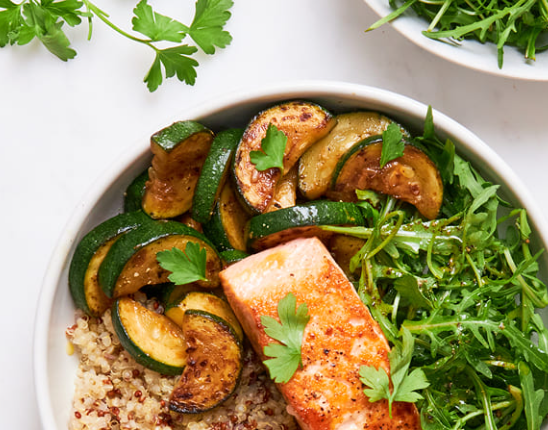
A balanced meal usually includes vegetables, fruits, whole grains, lean proteins, and healthy fats. These foods work together to provide important nutrients that the body needs for strength, focus, and overall wellness. Cooking at home also gives people more control over ingredients, portion sizes, and preparation methods. This can make it easier to reduce excess sugar, salt, and unhealthy fats while still enjoying flavorful meals.
One of the easiest ways to begin balanced cooking is by adding more fresh vegetables to everyday recipes. Vegetables provide vitamins, minerals, and fiber that support digestion and overall health. Colorful choices such as carrots, spinach, tomatoes, and bell peppers can brighten meals while offering a variety of nutrients. Many vegetables can be roasted, steamed, sautéed, or added to soups and pasta dishes for extra flavor and texture.
Whole grains are another important part of balanced cooking. Foods like brown rice, oats, quinoa, and whole wheat bread can help provide lasting energy throughout the day. Compared to refined grains, whole grains often contain more fiber and nutrients. Including them in meals may help people feel full longer and support a more balanced eating pattern.
Protein also plays a valuable role in everyday meals. Lean protein sources such as beans, fish, eggs, chicken, tofu, and yogurt can support muscle health and daily energy needs. Balanced cooking does not require large portions of protein. Instead, combining moderate amounts of protein with vegetables and grains can create satisfying meals that feel nourishing without being heavy.
Healthy fats are often misunderstood, but they are an important part of a balanced diet. Foods like avocados, nuts, seeds, and olive oil can add flavor and richness to meals while supporting overall wellness. Using healthy fats in moderation may help improve the taste and texture of dishes without relying on heavily processed ingredients.
Home cooking can also encourage mindful eating habits. Preparing meals from scratch often helps people become more aware of what they are eating and how different foods make them feel. Taking time to cook can create opportunities for relaxation and creativity in daily life. Families and friends may also enjoy spending time together in the kitchen, turning cooking into a shared and enjoyable activity.
Balanced cooking does not mean giving up favorite comfort foods. Instead, it encourages thoughtful adjustments that make meals more nourishing. For example, adding vegetables to pasta dishes, choosing grilled foods instead of fried options, or using herbs and spices for flavor can help create healthier versions of familiar recipes. These small changes are often easier to maintain than strict food restrictions.
