
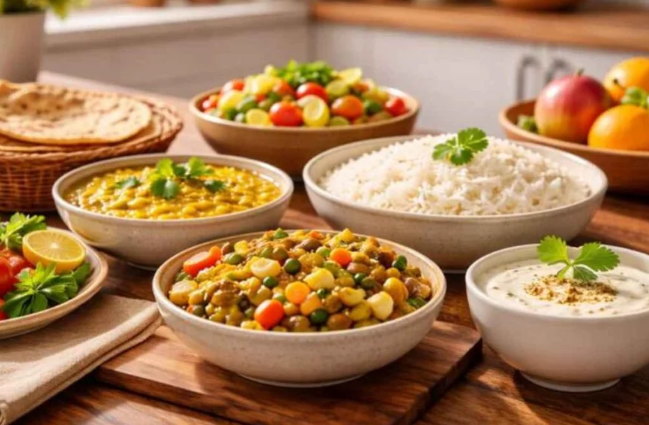
Balanced Cooking for Modern Life
Balanced Cooking for Modern Life
Modern life moves quickly. Work schedules, family responsibilities, and personal goals often leave little time for thoughtful meal preparation. Yet cooking remains one of the most practical ways to support health, save money, and create enjoyable daily routines. Balanced cooking is not about strict rules or complicated techniques. It is about preparing meals that combine wholesome ingredients, satisfying flavors, and realistic methods that fit into everyday life.
Balanced cooking begins with a simple mindset. Instead of focusing on perfection, it emphasizes variety and moderation. A well-rounded meal often includes vegetables, protein, whole grains, and healthy fats. This combination can help provide steady energy and lasting satisfaction. When meals include different colors, textures, and food groups, they tend to be both more appealing and more nourishing.
Fresh vegetables play an important role in balanced cooking. Leafy greens, carrots, bell peppers, broccoli, and tomatoes bring natural flavor and visual appeal to meals. They can be roasted, steamed, sautéed, or eaten raw depending on personal preference. Frozen vegetables are also a practical option because they are convenient, affordable, and easy to store. Keeping a variety of vegetables on hand makes it easier to create nutritious meals with minimal effort.
Protein is another essential part of a balanced kitchen. Chicken, fish, eggs, beans, lentils, tofu, and yogurt are versatile ingredients that work in many recipes. Protein can help make meals more satisfying and can be prepared in simple ways. Grilled chicken with roasted vegetables, lentil soup with herbs, or scrambled eggs with spinach are examples of meals that are both straightforward and flavorful.
Whole grains add texture and help create complete meals. Brown rice, oats, quinoa, and whole grain pasta pair well with vegetables and proteins. These ingredients are easy to cook in larger batches and can be used throughout the week. Preparing grains in advance saves time and provides a flexible base for lunches and dinners.
Healthy fats contribute richness and balance to modern cooking. Avocados, nuts, seeds, and olive oil can enhance both taste and texture. A drizzle of olive oil over roasted vegetables or a handful of nuts sprinkled on a salad can turn a simple dish into a more satisfying meal. Using fats thoughtfully supports flavor without relying on overly processed ingredients.
Planning is one of the most effective ways to maintain balanced cooking habits. A short weekly plan can reduce decision fatigue and simplify grocery shopping. Choosing three or four main meals and using overlapping ingredients helps save both time and money. For example, roasted vegetables prepared at the beginning of the week can be added to grain bowls, wraps, and soups.
Meal preparation does not need to be complicated. Washing produce, cooking grains, and preparing proteins ahead of time can make daily cooking faster and less stressful. Even small steps, such as chopping onions or mixing a simple dressing, can make it easier to assemble meals during busy evenings. This practical approach supports consistency and reduces the temptation to rely on less nutritious convenience foods.
