
Balanced Cooking Made Simple
Balanced Cooking Made Simple
Balanced cooking does not have to feel complicated, restrictive, or time-consuming. In fact, the idea behind balanced meals is quite the opposite. It is about creating food that feels satisfying, nourishing, and enjoyable while supporting overall well-being. Many people assume that eating “balanced” requires strict rules or special ingredients, but the truth is that simple habits and thoughtful choices can make a meaningful difference in everyday cooking.
At its core, balanced cooking is about including a variety of nutrients in a way that works naturally within your lifestyle. This often means combining proteins, carbohydrates, healthy fats, and a wide range of fruits and vegetables into meals that taste good and feel fulfilling. Rather than focusing on what to avoid, balanced cooking encourages adding wholesome ingredients that contribute to both flavor and nutrition.
One of the easiest ways to begin is by thinking in terms of proportions. A practical approach is to imagine your plate divided into sections. Half of the plate can be filled with vegetables and fruits, offering fiber, vitamins, and vibrant colors. A quarter of the plate can include protein sources such as beans, eggs, fish, or lean meats. The remaining portion can feature whole grains or other carbohydrate sources like rice, potatoes, or pasta. This visual method removes guesswork and makes it easier to build meals without complicated measurements.
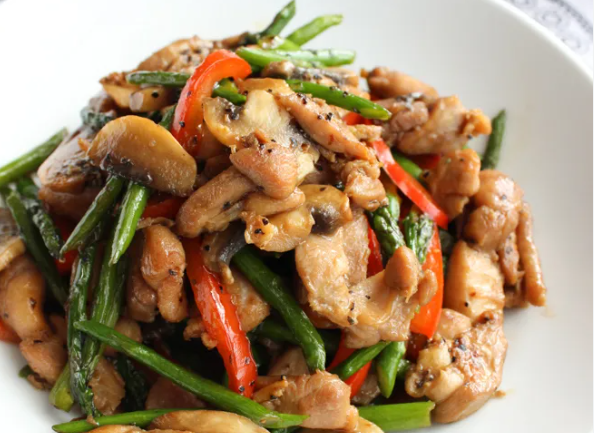
Another important aspect of balanced cooking is flexibility. There is no single “perfect” meal plan that fits everyone. Personal taste, cultural traditions, and availability of ingredients all play a role in shaping how meals come together. A balanced approach respects these differences and allows room for creativity. For example, a comforting soup can be balanced by adding vegetables and a protein source, while a simple stir-fry can become more complete with whole grains and a variety of colorful ingredients.
Flavor also plays a central role. Healthy food does not need to be bland or repetitive. Herbs, spices, citrus, and natural seasonings can transform simple ingredients into something exciting. Cooking at home provides the opportunity to experiment with flavors while maintaining control over ingredients. This can lead to meals that are both enjoyable and nourishing without relying on overly processed options.
Planning ahead can make balanced cooking even more manageable. Preparing a few ingredients in advance, such as cooked grains, chopped vegetables, or marinated proteins, can save time during busy days. This does not require elaborate meal prepping. Even small steps, like washing produce or cooking extra portions, can help ensure that balanced options are always within reach. The goal is to make cooking feel convenient rather than overwhelming.
It is also helpful to pay attention to portion sizes without becoming overly strict. Listening to your body’s hunger and fullness cues can guide how much to eat. Balanced cooking supports steady energy levels, which can help prevent extremes of hunger or overeating. When meals include a combination of nutrients, they tend to be more satisfying and provide longer-lasting energy.
