
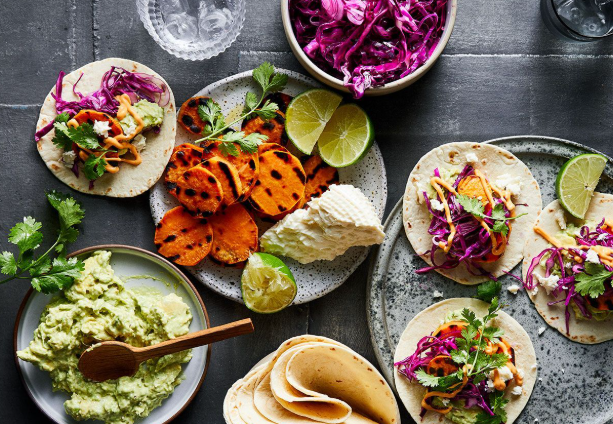
Balanced Cooking Methods for Busy Lifestyles
Modern life moves quickly, and finding time to prepare nourishing meals can feel like a challenge. Between work, family responsibilities, and personal commitments, cooking often becomes something people rush through or skip entirely. Yet maintaining a balanced approach to cooking is not only possible in a busy lifestyle, it can also bring a sense of calm, control, and well-being. By adopting practical methods and a flexible mindset, anyone can create meals that are both efficient and satisfying without adding stress to their day.
A balanced cooking approach begins with realistic expectations. Not every meal needs to be elaborate or restaurant-quality. Simple dishes made with wholesome ingredients can provide the same comfort and nourishment as more complex recipes. Accepting that some days will call for quicker solutions helps reduce pressure and allows cooking to become a supportive habit rather than a burden. This mindset shift is essential for building consistency, which is more beneficial than occasional perfection.
Planning ahead is one of the most effective ways to stay balanced in the kitchen. Taking a short time each week to think about meals can prevent last-minute decisions that often lead to less nutritious options. This does not require strict schedules or rigid menus. Instead, having a general idea of what ingredients are available and how they can be combined saves time and energy. Preparing a few staples in advance, such as cooked grains, chopped vegetables, or simple sauces, makes it easier to assemble meals quickly during busy days.
Time-saving cooking techniques also play a key role. Methods like one-pan meals, slow cooking, and batch cooking help reduce both preparation and cleanup time. One-pan dishes allow multiple ingredients to cook together, blending flavors naturally while minimizing effort. Slow cooking offers the advantage of letting meals develop over time with minimal supervision, which is ideal for long workdays. Batch cooking provides ready-to-eat portions that can be stored and reheated, ensuring that a home-cooked meal is always within reach.
Balancing cooking methods also means varying how food is prepared to maintain both interest and nutritional value. Combining different techniques such as steaming, roasting, sautéing, and grilling can enhance flavor while preserving nutrients. For example, steaming vegetables keeps them vibrant and nutrient-rich, while roasting brings out deeper flavors. By rotating these methods, meals remain enjoyable and diverse, even when using similar ingredients.
Efficiency in the kitchen often comes down to organization. Keeping commonly used tools and ingredients easily accessible can significantly reduce cooking time. A well-organized space allows for smoother transitions between tasks and helps prevent unnecessary frustration. Even small habits, such as cleaning as you go or setting out ingredients before starting, contribute to a more streamlined cooking experience.
Another important aspect of balanced cooking is flexibility. Busy schedules can change unexpectedly, and rigid plans may not always work. Having backup options, such as frozen vegetables, canned beans, or pre-washed greens, ensures that healthy meals remain possible even when time is limited. Flexibility also includes being open to adapting recipes based on available ingredients or personal preferences. This adaptability encourages creativity and makes cooking more enjoyable rather than restrictive.
Nutrition should remain at the center of balanced cooking, but it does not have to be complicated. Focusing on whole ingredients like vegetables, proteins, grains, and healthy fats creates a strong foundation for meals. Combining these elements in simple ways can produce satisfying dishes without requiring extensive preparation. For example, pairing a protein source with vegetables and a grain creates a complete meal that supports energy and well-being.
Incorporating mindful cooking practices can also enhance the experience. Taking a moment to appreciate the process, from preparing ingredients to enjoying the final dish, adds a sense of intention to everyday meals. This does not require extra time, but rather a shift in awareness. Even brief moments of attention can transform cooking from a routine task into a meaningful activity.
Technology can support balanced cooking when used thoughtfully. Kitchen appliances such as pressure cookers, air fryers, and blenders can speed up preparation and expand meal options. Digital tools like recipe apps or meal planning platforms can provide inspiration and organization. However, it is important to use these tools as aids rather than relying on them entirely. The goal is to simplify cooking, not to make it dependent on constant input or complexity.
Another helpful strategy is to involve others in the cooking process when possible. Sharing responsibilities with family members or housemates can reduce the workload and make cooking a collaborative experience. Even small contributions, such as washing vegetables or setting the table, can lighten the overall effort. This shared approach can also create opportunities for connection and learning.
Portion awareness is another element that supports balance. Cooking appropriate amounts reduces waste and saves time in the long run. Leftovers can be repurposed into new meals, providing variety without additional cooking effort. For instance, roasted vegetables from one meal can be added to a salad or grain bowl the next day. This approach maximizes efficiency while maintaining freshness and interest.
It is also important to recognize that balance includes rest. Not every meal needs to be cooked from scratch. There are times when choosing simple or ready-made options is the most practical choice. Allowing for these moments without guilt helps maintain a sustainable routine. The overall pattern of eating well matters more than any single meal.
Developing confidence in the kitchen is a gradual process. Starting with a few reliable recipes and building from there creates a strong foundation. Over time, familiarity with ingredients and techniques makes cooking faster and more intuitive. This confidence reduces hesitation and allows for greater creativity, even within a busy schedule.
Balanced cooking for a busy lifestyle is ultimately about creating a system that works personally. There is no single method that fits everyone. By combining planning, efficiency, flexibility, and mindfulness, cooking can become a supportive and enjoyable part of daily life. Rather than viewing it as another task to complete, it can serve as a moment of care and nourishment that fits naturally into even the busiest routines.
With thoughtful choices and simple strategies, it is possible to maintain a balanced approach to cooking without sacrificing time or energy. Over time, these habits build a sustainable rhythm that supports both health and well-being, making everyday meals something to look forward to rather than something to rush through.
