
Better Cooking Habits for a Balanced Lifestyle
Creating a balanced lifestyle often begins in a place many people overlook: the kitchen. The way we prepare and think about food shapes not only our physical health but also our daily routines, energy levels, and long-term well-being. Developing better cooking habits is not about strict rules or perfection. It is about building a sustainable, enjoyable relationship with food that supports a healthier and more fulfilling life.
One of the most effective ways to improve cooking habits is to start with intention. Instead of approaching meals as a last-minute necessity, it helps to view cooking as an act of care for yourself and those around you. Planning meals ahead of time reduces stress and encourages more thoughtful choices. When meals are planned, people are less likely to rely on highly processed or convenience foods, which often contain excess salt, sugar, and unhealthy fats. A simple weekly plan can make grocery shopping easier and reduce food waste, saving both time and money.
Another important habit is focusing on whole, fresh ingredients whenever possible. Fresh vegetables, fruits, whole grains, lean proteins, and healthy fats provide essential nutrients that the body needs to function properly. Cooking with these ingredients does not require complicated recipes. Even simple dishes can be nourishing and satisfying when made with care. For example, a stir-fry with colorful vegetables and a protein source, or a hearty soup with beans and grains, can offer both comfort and nutrition.
Portion awareness is also key to maintaining balance. It is easy to unintentionally overeat, especially when meals are eaten quickly or while distracted. Cooking at home gives you more control over portion sizes and ingredients. Taking the time to serve reasonable portions and eat slowly allows the body to recognize fullness cues, which can help prevent overeating. This mindful approach to eating can improve digestion and overall satisfaction with meals.
Developing basic cooking skills can make a significant difference in building better habits. Many people feel discouraged because they believe cooking requires advanced techniques or special talent. In reality, learning a few foundational skills such as chopping vegetables, seasoning properly, and understanding cooking times can open the door to countless meal options. Confidence in the kitchen grows with practice, and even small improvements can make cooking more enjoyable and less intimidating.
Time management plays a major role in maintaining consistent cooking habits. Busy schedules often lead people to skip cooking or choose less nutritious options. Preparing ingredients in advance, such as washing and cutting vegetables or cooking grains ahead of time, can make it easier to assemble meals quickly. Batch cooking is another helpful strategy. By preparing larger portions and storing leftovers, you can ensure that healthy meals are always available, even on busy days.
Creating a pleasant cooking environment can also encourage better habits. A clean, organized kitchen makes the cooking process more efficient and enjoyable. Playing music, involving family members, or treating cooking as a relaxing activity rather than a chore can shift your perspective. When cooking feels rewarding instead of stressful, it becomes easier to maintain the habit over time.
Balancing flavors is another aspect of cooking that contributes to both enjoyment and nutrition. Using herbs, spices, and natural seasonings can enhance the taste of food without relying on excessive salt or sugar. Experimenting with different flavor combinations keeps meals interesting and helps prevent boredom. Over time, your palate may adapt to appreciate the natural flavors of whole foods, reducing the desire for heavily processed alternatives.
Hydration and cooking are closely connected as well. Many meals can be complemented with water-rich ingredients such as vegetables and fruits. Soups, stews, and dishes with broths not only provide nourishment but also contribute to daily hydration needs. Paying attention to how cooking methods affect water content can help support overall balance in the diet.
Another valuable habit is being mindful of cooking methods. Techniques such as steaming, baking, grilling, and sautéing with minimal oil can preserve nutrients while keeping meals lighter. While it is perfectly fine to enjoy richer dishes occasionally, making healthier cooking methods the default can support long-term well-being. Small adjustments, such as using less oil or choosing whole-grain alternatives, can add up over time.
Listening to your body is an essential part of developing a balanced lifestyle. Cooking at home allows you to tailor meals to your preferences and needs. Some days you may crave lighter meals, while other days you may need something more substantial. Paying attention to hunger and energy levels helps guide these choices. Flexibility is important, as balance does not mean rigid consistency but rather adapting to what your body requires.
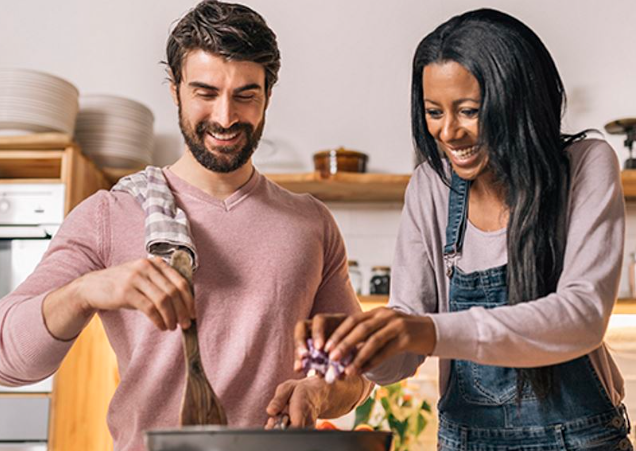
Social connection can also play a role in improving cooking habits. Sharing meals with others encourages slower eating and meaningful interaction. Cooking together can be a fun and educational experience, especially for families. It provides an opportunity to pass down knowledge, try new recipes, and create lasting memories. These positive associations with food can reinforce healthy habits in a natural way.
It is also helpful to approach cooking with a mindset of curiosity rather than pressure. Trying new ingredients or recipes can keep the experience fresh and engaging. Mistakes are a normal part of learning, and each attempt builds confidence. Over time, cooking becomes less about following strict instructions and more about understanding how different elements come together to create a satisfying meal.
Consistency is more important than perfection when it comes to better cooking habits. There will be days when cooking feels inconvenient or when meals do not turn out as planned. Instead of viewing these moments as failures, it is more helpful to see them as part of the process. Returning to simple, nourishing meals and maintaining a positive attitude helps sustain long-term progress.
Incorporating better cooking habits into daily life does not require dramatic changes. Small, gradual improvements are often more sustainable and effective. Choosing to cook one extra meal at home each week, adding more vegetables to dishes, or experimenting with a new recipe are all meaningful steps. Over time, these habits can transform not only your approach to food but also your overall lifestyle.
Ultimately, better cooking habits are about creating balance. They support physical health, encourage mindfulness, and provide opportunities for creativity and connection. By making thoughtful choices in the kitchen, you can build a foundation for a healthier, more balanced life that feels both achievable and enjoyable.
