
Build Better Habits for a Leaner Waist
Building better habits for a leaner waist is not about chasing quick fixes or extreme routines. It is about making steady, realistic changes that support your body over time. When you focus on consistency rather than perfection, your progress becomes more sustainable and far less stressful. A leaner waist is often the natural result of balanced daily habits that improve overall health, energy, and confidence.
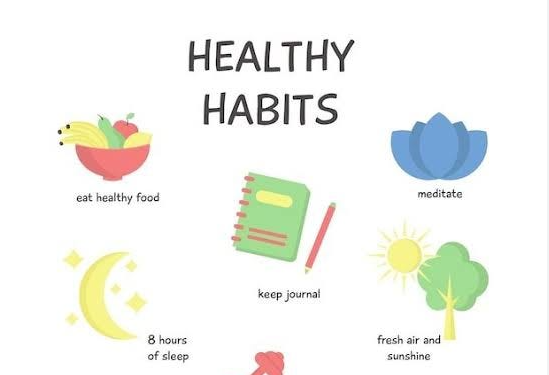
One of the most important habits to build is mindful eating. This means paying attention to what you eat, how much you eat, and how your body responds. Instead of rushing through meals or eating while distracted, try slowing down. Notice flavors, textures, and how full you feel as you eat. This simple shift can help prevent overeating and allows your body’s natural hunger and fullness signals to guide you more effectively.
Another key habit is choosing whole, nourishing foods more often. Meals that include vegetables, fruits, lean proteins, whole grains, and healthy fats tend to keep you satisfied longer and provide steady energy. Highly processed foods, on the other hand, can lead to quick spikes and drops in energy, which may increase cravings. You do not need to eliminate your favorite treats, but aiming for balance most of the time can make a meaningful difference.
Portion awareness also plays a role in managing waist size. It is easy to underestimate how much we eat, especially when portions are large or when eating out. A helpful approach is to serve moderate portions first and give yourself time before deciding on seconds. Over time, your body adapts to these changes, and smaller portions begin to feel satisfying.
Regular physical activity is another cornerstone of building a leaner waist. You do not need an intense or complicated routine to see results. Consistent movement, such as walking, cycling, or light strength training, can support fat loss and improve muscle tone. Strength exercises are particularly valuable because they help build muscle, which can increase metabolism and support long-term weight management. Finding activities you genuinely enjoy makes it easier to stay consistent.
Daily movement outside of formal exercise is just as important. Small actions like taking the stairs, standing up regularly, or walking short distances can add up over time. These habits help keep your body active throughout the day and contribute to overall energy balance. When movement becomes a natural part of your routine rather than a chore, it is much easier to maintain.
Sleep is often overlooked, yet it has a powerful impact on body composition and waist size. Poor sleep can disrupt hormones that regulate hunger and appetite, making it harder to make balanced food choices. Establishing a calming bedtime routine, limiting screen time before bed, and aiming for consistent sleep hours can support better rest. When you are well-rested, your body is better equipped to manage stress and maintain healthy habits.
Managing stress is another important factor. High stress levels can influence eating patterns and may lead to increased fat storage, particularly around the waist. Finding simple ways to relax and recharge can make a difference. This might include deep breathing, spending time outdoors, journaling, or engaging in hobbies you enjoy. Even a few minutes of intentional relaxation each day can help support your overall well-being.
Hydration is a habit that is easy to overlook but highly beneficial. Drinking enough water throughout the day supports digestion, helps regulate appetite, and can reduce unnecessary snacking. Sometimes thirst is mistaken for hunger, so staying hydrated can help you better understand your body’s needs. Keeping water within reach and sipping regularly can turn hydration into a natural part of your routine.
Consistency is what ties all these habits together. It is not about making drastic changes overnight but about building routines that fit your lifestyle. Small, steady improvements tend to be more effective than extreme approaches that are difficult to maintain. If you miss a day or slip out of routine, simply return to your habits without frustration. Progress is built over time, not in a single moment.
It is also helpful to set realistic expectations. A leaner waist develops gradually, and everyone’s body responds differently. Instead of focusing only on appearance, pay attention to how you feel. Increased energy, improved mood, and better overall health are valuable signs that your habits are working. When you shift your focus to these positive changes, the physical results often follow naturally.
Creating a supportive environment can make building habits easier. Keeping nutritious foods accessible, planning meals ahead of time, and setting reminders for movement or hydration can reinforce your goals. Surrounding yourself with positive influences, whether through friends, family, or community, can also provide encouragement and accountability.
Listening to your body is essential throughout this process. Your needs may change over time, and it is important to adjust your habits accordingly. There is no one-size-fits-all approach, so finding what works best for you is key. Being patient and flexible allows you to build habits that truly support your lifestyle and long-term well-being.
In the end, building better habits for a leaner waist is about creating a balanced, enjoyable routine that you can maintain. It is not about restriction or pressure, but about making choices that support your health in a positive way. With consistency, awareness, and a focus on sustainable habits, you can work toward your goals while also improving your overall quality of life.
