
Clean Cooking for Better Meals
Clean Cooking for Better Meals
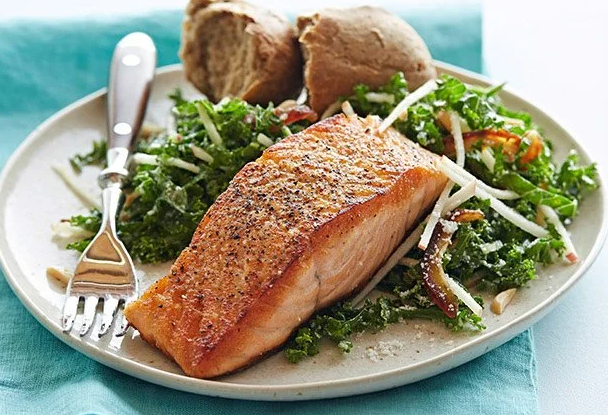
At its core, clean cooking emphasizes whole, minimally processed ingredients. Fresh vegetables, fruits, whole grains, lean proteins, and natural seasonings take center stage. These foods are rich in nutrients and free from unnecessary additives, helping you create meals that nourish your body without compromising on taste. Choosing seasonal produce not only enhances flavor but also supports better quality and freshness.
Another important aspect of clean cooking is reducing the use of artificial ingredients. Many packaged foods contain preservatives, excess sugars, and unhealthy fats that can affect both health and flavor. By preparing meals at home, you gain full control over what goes into your food. Simple swaps, such as using herbs and spices instead of heavy sauces or choosing natural sweeteners in moderation, can make a noticeable difference.
Cooking methods also play a key role. Techniques like steaming, grilling, baking, and sautéing with small amounts of healthy oils help preserve nutrients while enhancing natural flavors. Avoiding excessive frying or overcooking ensures that ingredients maintain their texture and value. Clean cooking is not about restriction; it is about making thoughtful choices that highlight the best qualities of each ingredient.
Keeping your kitchen organized and clean further supports better cooking habits. A tidy workspace makes it easier to prepare meals efficiently and safely. Washing produce thoroughly, storing ingredients properly, and using clean utensils all contribute to better food quality. These small steps help maintain freshness and reduce the risk of contamination.
Planning meals ahead of time can also make clean cooking more accessible. When you have a clear idea of what to prepare, you are less likely to rely on heavily processed options. Preparing simple dishes in advance or keeping healthy ingredients on hand makes it easier to stick to better choices, even on busy days.
Clean cooking does not require advanced skills or expensive ingredients. It is about building habits that prioritize freshness, balance, and simplicity. Over time, these habits can lead to improved energy levels, better digestion, and a more enjoyable cooking experience. Meals become something to look forward to, rather than just a routine task.
Ultimately, clean cooking is a flexible and sustainable approach to preparing food. It allows you to explore flavors, experiment with ingredients, and adapt recipes to your preferences. By focusing on quality and mindful preparation, you can create meals that are both delicious and beneficial, making clean cooking a valuable part of everyday life.
