
Cooking for Health Made Easy
Cooking for Health Made Easy
Healthy cooking does not need to feel difficult, expensive, or time-consuming. Many people believe that preparing nutritious meals requires advanced skills or complicated ingredients, but the truth is much simpler. With a few smart habits and easy choices, anyone can enjoy meals that support overall wellness while still tasting delicious. Cooking for health is about balance, convenience, and creating meals that make you feel your best every day.
One of the easiest ways to begin healthy cooking is by focusing on fresh ingredients. Fruits, vegetables, whole grains, lean proteins, and healthy fats can provide important nutrients that help support energy, digestion, and general well-being. Fresh foods often contain fewer artificial additives and can help people feel more satisfied after meals. Choosing colorful vegetables and seasonal produce also adds natural flavor and variety to everyday dishes.
Simple meal preparation can make healthy cooking feel much less stressful. Planning meals ahead of time helps reduce last-minute fast food choices and makes grocery shopping easier. Many people find success by preparing ingredients in advance, such as washing vegetables, cooking grains, or marinating proteins for later use. Even spending a short amount of time organizing meals for the week can save time and encourage healthier eating habits.
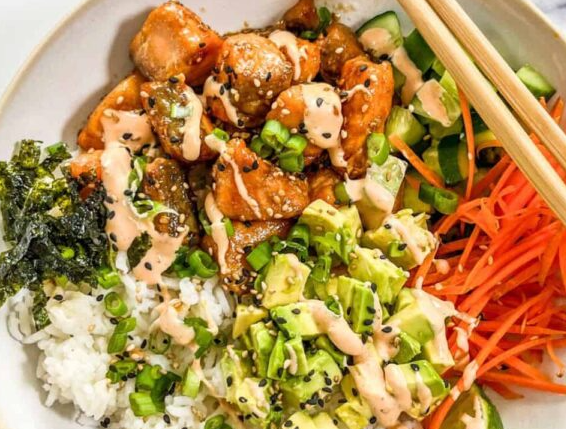
Healthy cooking also becomes easier when meals are kept simple. A nutritious plate does not need to include complicated recipes or hard-to-find ingredients. Grilled chicken with roasted vegetables, brown rice with fresh herbs, or a hearty vegetable soup can all provide balanced nutrition while remaining easy to prepare. Using simple cooking methods like baking, steaming, grilling, or sautéing can help preserve flavor without adding unnecessary oils or heavy sauces.
Reducing processed ingredients is another helpful step toward healthier meals. Many packaged foods contain excess sodium, sugar, or artificial ingredients that may not support long-term wellness. Cooking meals at home allows greater control over ingredients and portion sizes. Small adjustments, such as using herbs instead of extra salt or choosing natural sweeteners in moderation, can help create balanced meals without sacrificing taste.
Healthy cooking should also be enjoyable. Exploring different flavors and cuisines can keep meals exciting and prevent healthy eating from feeling repetitive. Fresh herbs, garlic, lemon juice, and spices can transform simple dishes into flavorful meals. Trying new recipes from different cultures may introduce healthy ingredients and cooking techniques that make everyday meals more satisfying and fun.
Hydration is another important part of a healthy lifestyle that often works alongside nutritious cooking. Preparing meals with fresh ingredients naturally supports hydration, especially when fruits and vegetables are included regularly. Soups, smoothies, salads, and water-rich produce such as cucumbers or watermelon can help contribute to daily fluid intake while adding vitamins and minerals to meals.
