
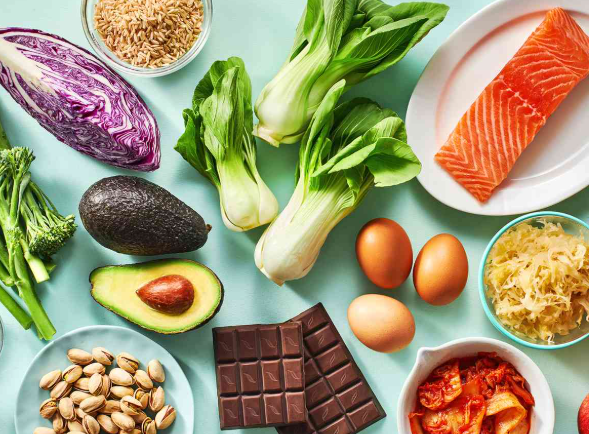
Cooking Methods That Support a Balanced Diet
Maintaining a balanced diet is not only about choosing the right ingredients but also about how those ingredients are prepared. Cooking methods can significantly influence the nutritional value of food, affecting everything from vitamin retention to fat content. By adopting thoughtful cooking techniques, it becomes easier to support overall health while still enjoying flavorful meals. Understanding these methods helps create a sustainable approach to eating well without feeling restricted or overwhelmed.
One of the most beneficial cooking methods is steaming. This gentle technique uses hot vapor to cook food without submerging it in water or adding extra fats. Because vegetables are not directly exposed to boiling water, they tend to retain more of their vitamins and minerals, particularly water-soluble nutrients like vitamin C and certain B vitamins. Steaming also preserves natural color and texture, making meals visually appealing and enjoyable to eat. It is especially effective for vegetables such as broccoli, carrots, and leafy greens, but it can also be used for fish and dumplings.
Another widely recommended method is grilling. Cooking food over direct heat allows excess fat to drip away, which can reduce overall calorie intake. Grilling also enhances flavor through caramelization, reducing the need for heavy sauces or added salt. Lean proteins like chicken, fish, and plant-based alternatives benefit greatly from this method. However, it is important to avoid charring food excessively, as overexposure to high heat can produce compounds that are not ideal for long-term health. Using moderate heat and turning food regularly helps maintain both flavor and safety.
Baking is another versatile cooking approach that supports a balanced diet. By using dry heat in an oven, foods can be cooked evenly without requiring large amounts of oil. Baking is suitable for a wide range of dishes, from whole grains and vegetables to lean proteins. It allows for creative combinations of ingredients, such as roasting vegetables with herbs or preparing casseroles that incorporate multiple food groups. Choosing healthier fats in small amounts, like olive oil, can enhance flavor while keeping the dish nutritious.
Stir-frying offers a quick and efficient way to prepare meals while preserving nutrients. This method uses high heat and a small amount of oil, cooking food rapidly to maintain texture and color. Because the cooking time is short, vegetables retain more of their vitamins compared to longer cooking methods. Stir-frying also encourages the inclusion of a variety of ingredients, such as colorful vegetables, lean proteins, and whole grains, which contributes to a more balanced meal. Using oils with a high smoke point and avoiding excessive quantities ensures the dish remains health-conscious.
Boiling is often seen as a basic technique, but it can still play a role in balanced eating when used thoughtfully. While some nutrients may leach into the water, this method can be useful for foods like legumes, whole grains, and root vegetables. One way to preserve nutrients is to use the cooking liquid in soups or sauces, ensuring that valuable vitamins are not lost. Controlling cooking time is also essential, as overcooking can reduce both nutritional value and flavor.
Poaching is a gentle method that involves cooking food in liquid at a low temperature. This technique is particularly suitable for delicate proteins like eggs, fish, and chicken. Because it does not require added fats and uses mild heat, poaching helps maintain the natural qualities of the food. It also allows for subtle flavor enhancements through the use of herbs, spices, or broth. This method supports a balanced diet by keeping meals light while still satisfying.
Roasting is closely related to baking but typically involves higher temperatures, which help develop deeper flavors. Vegetables like sweet potatoes, cauliflower, and peppers become naturally sweeter when roasted, reducing the need for added sugars or heavy seasonings. Roasting can also be used for lean meats, creating a crispy exterior while keeping the inside tender. Using minimal oil and incorporating herbs and spices can make roasted dishes both nutritious and appealing.
Slow cooking provides a convenient way to prepare balanced meals, especially for those with busy schedules. By cooking ingredients over a longer period at low temperatures, flavors have time to develop fully. This method works well for soups, stews, and dishes that include a mix of vegetables, proteins, and whole grains. It also allows tougher cuts of meat to become tender without the need for excessive fats. Choosing fresh, wholesome ingredients ensures that slow-cooked meals contribute positively to overall nutrition.
Sautéing is another common technique that can support healthy eating when done correctly. It involves cooking food quickly in a small amount of oil over medium heat. This method is ideal for vegetables and lean proteins, allowing them to cook evenly while retaining their natural flavors. The key is to use just enough oil to prevent sticking and to avoid overheating, which can degrade the quality of the fat. Incorporating ingredients like garlic, onions, and herbs can enhance taste without relying on excessive salt.
Fermentation is a unique method that not only preserves food but also adds potential health benefits. Foods like yogurt, kimchi, and fermented vegetables contain beneficial bacteria that support gut health. Including fermented items as part of a balanced diet can contribute to overall well-being. While fermentation requires some preparation and time, it offers a natural way to enhance both flavor and nutrition.
Ultimately, creating a balanced diet involves a combination of mindful ingredient choices and thoughtful cooking methods. Each technique offers its own advantages, and using a variety of methods can keep meals interesting while supporting nutritional goals. By focusing on methods that preserve nutrients, limit added fats, and enhance natural flavors, it becomes easier to build a sustainable and enjoyable approach to eating.
Adopting these cooking methods does not require drastic changes. Small adjustments, such as choosing to steam vegetables instead of frying or using the oven instead of deep-frying, can make a meaningful difference over time. The goal is not perfection but consistency, allowing healthy habits to develop naturally.
Incorporating these techniques into daily routines can transform the way meals are prepared and enjoyed. With a little creativity and awareness, cooking becomes an opportunity to nourish the body while also bringing satisfaction and variety to the table.
