
Easy Techniques for Healthier Home Cooking
Cooking at home is one of the most effective ways to take control of your health, but many people assume it requires complicated recipes, expensive ingredients, or a lot of time. In reality, healthier home cooking can be simple, enjoyable, and flexible. By making small, practical adjustments to the way you prepare meals, you can improve nutrition without sacrificing flavor or convenience.
One of the easiest ways to start is by focusing on whole ingredients. Fresh vegetables, fruits, grains, and proteins provide more nutrients and fewer additives than highly processed foods. You do not need to overhaul your entire diet overnight. Instead, begin by adding one or two whole foods to meals you already enjoy. For example, include extra vegetables in a stir-fry or swap refined grains for whole grains like brown rice or oats. These small changes gradually build healthier habits.
Another important technique is to rethink cooking methods. The way food is prepared can significantly affect its nutritional value. Frying, especially deep frying, can add unnecessary fats and calories. Healthier alternatives such as steaming, grilling, baking, or sautéing with minimal oil can preserve nutrients while enhancing natural flavors. Using non-stick cookware or air fryers can also reduce the need for excess oil without compromising texture.
Seasoning is often overlooked when aiming for healthier cooking, but it plays a key role. Many people rely heavily on salt or sugar to make food taste better. Instead, experiment with herbs, spices, garlic, citrus juice, and natural aromatics. These ingredients can elevate dishes while keeping them balanced. Over time, your taste preferences can adapt, making it easier to enjoy food with less added sodium or sugar.
Portion awareness is another simple but powerful habit. Cooking at home gives you full control over serving sizes, which can help prevent overeating. Rather than relying on strict measurements, try using visual cues such as filling half your plate with vegetables, a quarter with protein, and a quarter with grains. This approach promotes balance without feeling restrictive.
Planning ahead can make healthy cooking more manageable, especially for busy schedules. Preparing ingredients in advance, such as washing and chopping vegetables or marinating proteins, reduces the effort needed during the week. Batch cooking is another effective strategy. By making larger portions and storing leftovers safely, you can ensure that nutritious meals are always available, reducing the temptation to rely on less healthy convenience foods.
It is also helpful to be mindful of hidden ingredients. Many packaged sauces, dressings, and ready-made meals contain added sugars, sodium, and preservatives. When possible, try making simple versions at home. For instance, a basic salad dressing can be made with oil, vinegar, and herbs. This not only improves nutritional quality but also allows you to customize flavors to your liking.
Hydration is an often underestimated part of healthy eating. While it may not be directly related to cooking, pairing meals with water instead of sugary drinks can significantly reduce unnecessary calorie intake. You can also enhance hydration by including water-rich foods like soups, fruits, and vegetables in your meals.
Flexibility is essential for maintaining long-term habits. Healthy cooking should not feel like a rigid set of rules. It is perfectly fine to enjoy occasional treats or adapt recipes based on what is available. The goal is consistency over time rather than perfection in every meal. By focusing on balance and moderation, you can create a sustainable approach to eating well.
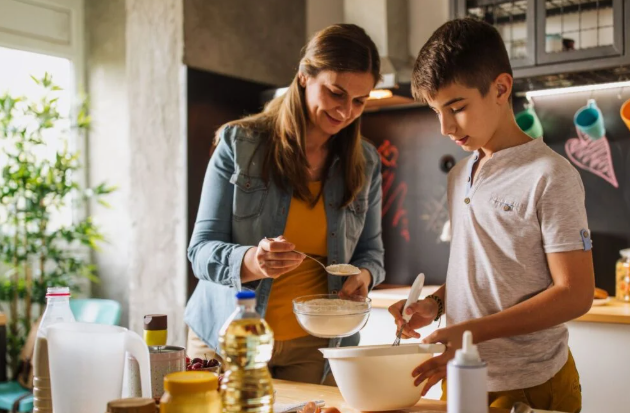
Involving others in the cooking process can also make it more enjoyable. Whether cooking with family members or friends, sharing the experience can turn meal preparation into a positive activity rather than a chore. It also encourages better food choices, as people tend to be more mindful when meals are prepared together.
Another useful technique is to listen to your body’s signals. Pay attention to hunger and fullness cues, and adjust portion sizes accordingly. Cooking at home allows you to eat at your own pace, which can improve digestion and overall satisfaction. Slowing down and savoring meals can make even simple dishes feel more rewarding.
Kitchen organization plays a subtle but important role in healthy cooking. Keeping essential tools and ingredients easily accessible can save time and reduce stress. A well-organized kitchen encourages more frequent cooking, which naturally leads to healthier eating patterns. Even small steps, such as arranging spices or prepping a weekly grocery list, can make a noticeable difference.
Budget considerations often influence food choices, but healthy cooking does not have to be expensive. Buying seasonal produce, choosing store brands, and using affordable staples like beans and lentils can keep costs manageable. Planning meals around what is on sale or readily available can further stretch your budget without compromising nutrition.
Finally, building confidence in the kitchen is key. Many people feel intimidated by cooking, but practice quickly builds skill. Start with simple recipes and gradually try new techniques or ingredients. Mistakes are part of the learning process and often lead to creative solutions. Over time, cooking becomes more intuitive and enjoyable.
Healthier home cooking is not about strict diets or complicated rules. It is about making thoughtful choices that support your well-being while still enjoying the process. By focusing on whole ingredients, mindful preparation, and practical habits, you can create meals that are both nourishing and satisfying. With consistency and a positive approach, these easy techniques can become a natural part of your daily routine, helping you maintain a healthier lifestyle over the long term.
