
Fresh and Healthy Cooking Starts Here
Fresh and healthy cooking is more than a trend; it is a lifestyle choice that supports both physical well-being and mental clarity. In a world where convenience often takes priority over nutrition, returning to simple, wholesome ingredients can feel like a refreshing change. The good news is that cooking fresh meals does not have to be complicated or time-consuming. With the right mindset and a few practical habits, anyone can create meals that are both nourishing and enjoyable.
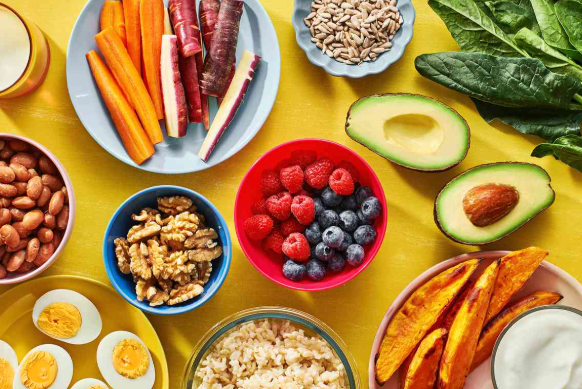
At the heart of fresh cooking is the use of natural ingredients. Fruits, vegetables, whole grains, and lean proteins provide essential nutrients that processed foods often lack. When meals are prepared from scratch, it becomes easier to control what goes into the body. This means less added sugar, reduced sodium, and fewer artificial additives. Over time, these small changes can make a meaningful difference in overall health.
One of the most effective ways to begin is by focusing on seasonal produce. Ingredients that are in season are often more flavorful, more affordable, and more nutritious. Visiting local markets or grocery stores with a plan can help build meals around what is fresh and available. Even simple dishes, such as a vegetable stir-fry or a hearty salad, can become satisfying when made with high-quality ingredients.
Another important aspect of healthy cooking is balance. A well-rounded meal includes a variety of food groups that work together to provide energy and nourishment. Combining vegetables, protein, and whole grains creates meals that are filling and sustainable throughout the day. This balance also helps maintain steady energy levels and supports overall wellness without the need for restrictive diets.
Cooking at home also encourages mindfulness. The process of preparing food allows individuals to slow down and connect with what they are eating. Chopping vegetables, stirring a pot, or tasting a dish as it develops can turn cooking into a calming and rewarding experience. This sense of involvement often leads to a greater appreciation for meals and more thoughtful eating habits.
For those who are new to cooking, starting small can make the process feel less overwhelming. Simple recipes with a few ingredients can build confidence and skills over time. As comfort in the kitchen grows, it becomes easier to experiment with new flavors and techniques. Cooking does not require perfection; it is a gradual journey that improves with practice.
Planning ahead can also make healthy cooking more accessible. Preparing ingredients in advance or setting aside time to cook can reduce reliance on fast food or packaged meals. Even dedicating a few hours each week to meal preparation can make a noticeable difference. Having ready-to-eat meals or partially prepared ingredients on hand saves time and supports better food choices.
Flavor plays a key role in making healthy meals enjoyable. Herbs, spices, and natural seasonings can enhance taste without relying on excessive salt or sugar. Fresh garlic, ginger, basil, or citrus can transform simple ingredients into vibrant dishes. Learning how to use these elements can make cooking more creative and satisfying.
Hydration is another often overlooked part of a healthy lifestyle. While food provides essential nutrients, drinking enough water supports digestion and overall body function. Pairing fresh meals with proper hydration creates a more complete approach to wellness. Small habits like keeping a glass of water nearby or choosing water over sugary drinks can contribute to long-term health.
Cooking fresh meals also supports better portion awareness. When preparing food at home, it becomes easier to understand how much is being consumed. This awareness helps prevent overeating and encourages a more balanced relationship with food. Rather than focusing on strict rules, it allows for flexibility and enjoyment in eating.
Involving family or friends in cooking can make the experience even more meaningful. Sharing responsibilities in the kitchen creates opportunities for connection and learning. It can also introduce children and others to healthy habits early on, building a foundation for lifelong wellness. Cooking together turns meals into shared experiences rather than just daily tasks.
Affordability is another advantage of fresh cooking. While it may seem that healthy ingredients are more expensive, cooking at home often reduces overall food costs. Buying ingredients in bulk, choosing seasonal produce, and minimizing waste can make a significant difference. Over time, these habits not only support health but also help manage expenses.
It is also important to approach healthy cooking with flexibility rather than strict limitations. Enjoying a variety of foods, including occasional treats, can create a more sustainable lifestyle. The goal is not perfection but consistency. Making small, positive choices regularly has a greater impact than short-term, restrictive changes.
Kitchen organization can further support the habit of cooking fresh meals. Keeping commonly used ingredients accessible and maintaining a clean workspace makes cooking more efficient and enjoyable. Simple tools and basic equipment are often all that is needed to prepare a wide range of dishes. A well-organized kitchen reduces stress and encourages regular use.
Food safety should always be part of the cooking process. Proper handling, storage, and preparation of ingredients help maintain quality and prevent waste. Washing produce, cooking foods thoroughly, and storing leftovers correctly are simple practices that ensure meals remain safe and enjoyable.
As confidence in cooking grows, it becomes easier to explore different cuisines and flavors. Trying new recipes or adapting traditional dishes with healthier ingredients can keep meals interesting. This sense of variety prevents boredom and supports long-term commitment to healthy eating habits.
Fresh and healthy cooking is ultimately about creating a positive relationship with food. It is not just about nutrition but also about enjoyment, creativity, and care. By choosing fresh ingredients and preparing meals with intention, individuals can take an active role in their well-being.
Starting this journey does not require drastic changes. Small steps, such as cooking one additional meal at home each week or adding more vegetables to dishes, can lead to lasting improvements. Over time, these changes become habits that support a healthier and more balanced lifestyle.
Fresh and healthy cooking truly starts here, with simple choices and a willingness to try. With each meal prepared, there is an opportunity to nourish the body, explore new flavors, and build habits that support long-term wellness.
