
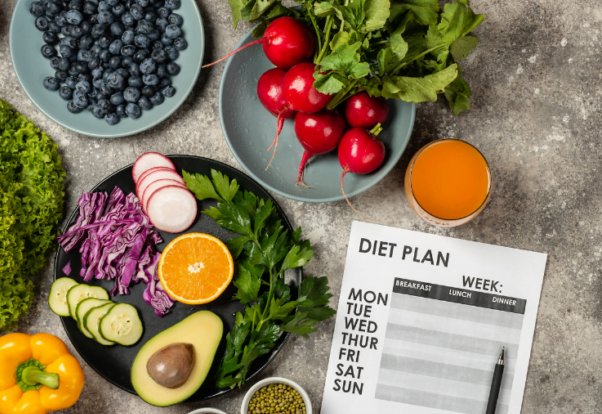
Healthy Cooking for Modern Living
Healthy Cooking for Modern Living
Healthy cooking for modern living is less about strict rules and more about building a sustainable, enjoyable relationship with food. In a world where schedules are busy and convenience often takes priority, preparing nourishing meals at home can feel like a challenge. Yet, with a thoughtful approach and a few practical habits, healthy cooking can become a natural part of daily life rather than an added burden.
At its core, healthy cooking is about balance. It does not require eliminating entire food groups or following extreme diets. Instead, it focuses on incorporating a variety of whole, minimally processed ingredients that provide essential nutrients. Fresh vegetables, fruits, whole grains, lean proteins, and healthy fats form the foundation of meals that support energy, focus, and overall well-being. This approach aligns well with modern lifestyles because it is flexible and adaptable to different tastes and cultural preferences.
One of the key aspects of modern healthy cooking is simplicity. Many people assume that nutritious meals require complicated recipes or hard-to-find ingredients, but that is rarely the case. Simple dishes made with a handful of fresh components can be both satisfying and nourishing. For example, a meal built around roasted vegetables, a source of protein such as beans or grilled chicken, and a whole grain like brown rice can be prepared with minimal effort while delivering a wide range of nutrients.
Time management also plays an important role. Preparing healthy meals does not have to mean spending hours in the kitchen every day. Planning ahead can make a significant difference. Setting aside time once or twice a week to prepare ingredients, such as washing and chopping vegetables or cooking grains in advance, can make it much easier to assemble meals quickly during busy weekdays. This kind of preparation supports consistency, which is often more important than perfection when it comes to maintaining healthy habits.
Another important consideration is mindful cooking. This involves paying attention to how food is prepared and how it makes you feel. Choosing cooking methods like steaming, baking, grilling, or sautéing with moderate amounts of healthy oils can help preserve nutrients while enhancing flavor. Reducing excessive use of added sugars, salt, and heavily processed ingredients supports better long-term health without sacrificing taste. Herbs, spices, citrus, and natural seasonings can add depth and variety to meals in a wholesome way.
Modern living often includes eating on the go or ordering food from outside, and healthy cooking can still fit within that reality. Learning to recreate favorite dishes at home in a more balanced way is a practical strategy. For instance, preparing a homemade version of a popular takeout meal allows for better control over ingredients and portion sizes. This does not mean giving up enjoyment but rather finding ways to make meals both satisfying and nourishing.
Kitchen environment also matters. A well-organized cooking space can encourage more frequent home cooking. Keeping essential tools accessible and maintaining a pantry stocked with versatile staples such as whole grains, legumes, canned tomatoes, and spices makes it easier to prepare meals without last-minute stress. When healthy options are readily available, making better choices becomes more convenient.
It is also helpful to view healthy cooking as a gradual process rather than an immediate transformation. Small, consistent changes tend to be more effective than drastic shifts. Replacing refined grains with whole grains, adding an extra serving of vegetables to meals, or choosing water instead of sugary drinks are examples of manageable steps that can lead to meaningful improvements over time. This approach supports a positive mindset and reduces the likelihood of feeling overwhelmed.
