
Healthy Cooking Made Clear and Simple
Healthy Cooking Made Clear and Simple
Healthy cooking does not need to be complicated or time-consuming. Many people imagine that preparing nutritious meals requires expensive ingredients, advanced kitchen skills, or strict diets. In reality, healthy cooking is about making practical choices that support your well-being while still allowing you to enjoy delicious food every day. With a few simple techniques and an understanding of basic ingredients, anyone can create balanced meals at home.
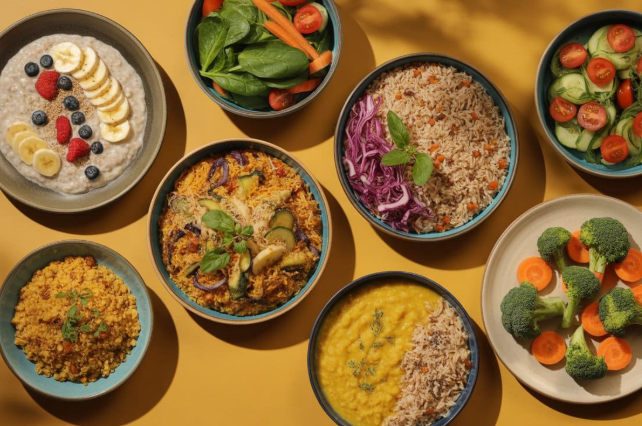
The foundation of healthy cooking starts with fresh, wholesome ingredients. Vegetables, fruits, whole grains, lean proteins, and healthy fats all play important roles in building satisfying meals. By using ingredients in their natural form whenever possible, you can create dishes that are rich in flavor and nutrition. Simple foods such as carrots, spinach, brown rice, chicken, eggs, beans, nuts, and olive oil provide excellent nourishment and are easy to work with.
One of the easiest ways to cook healthier meals is to include more vegetables. Vegetables add color, texture, and valuable nutrients to every dish. They can be roasted, steamed, sautéed, or eaten fresh in salads. Adding bell peppers to scrambled eggs, spinach to pasta, or cucumbers to sandwiches is a simple way to increase vegetable intake without changing your favorite recipes too much.
Whole grains are another helpful ingredient in healthy cooking. Foods such as oats, quinoa, brown rice, and whole wheat pasta provide fiber that helps support digestion and keeps you feeling full longer. Replacing refined grains with whole grains is a straightforward adjustment that can improve the nutritional quality of your meals while maintaining familiar tastes and textures.
Protein is essential for building and repairing the body. Healthy cooking often includes lean sources of protein such as fish, poultry, beans, lentils, tofu, and eggs. These ingredients are versatile and can be used in soups, salads, stir-fries, and casseroles. Grilling chicken, baking fish, or simmering lentils with herbs creates meals that are both satisfying and nourishing.
Healthy fats are also an important part of balanced cooking. Olive oil, avocados, seeds, and nuts provide flavor and help the body absorb certain vitamins. Using a moderate amount of healthy fats can enhance dishes without making them overly heavy. A drizzle of olive oil over roasted vegetables or a handful of nuts on oatmeal adds richness and nutritional value.
Cooking methods make a significant difference in how healthy a meal becomes. Baking, grilling, steaming, and roasting generally use less added fat than deep frying. These techniques preserve the natural flavors of ingredients while creating appealing textures. Roasted vegetables become sweet and tender, grilled meats develop a savory crust, and steamed fish remains moist and delicate.
Seasoning is another key to making healthy meals enjoyable. Herbs and spices can transform simple ingredients into flavorful dishes. Garlic, basil, turmeric, paprika, ginger, and cumin each bring unique tastes without relying heavily on salt or sugar. Lemon juice and vinegar also brighten flavors and add freshness. Experimenting with different seasonings keeps meals interesting and satisfying.
