
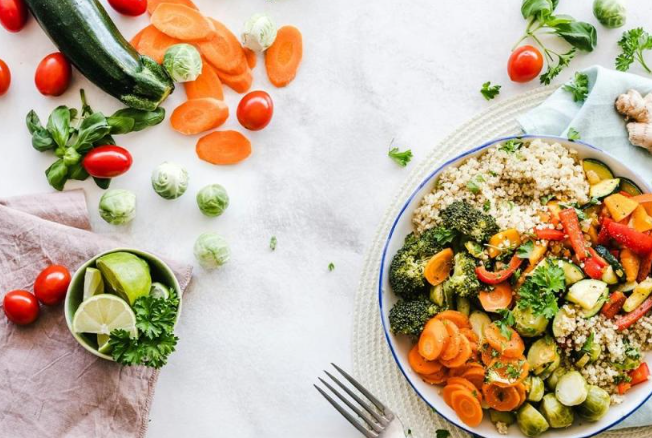
Healthy Cooking Made Practical and Enjoyable
Healthy cooking often carries an unfair reputation for being complicated, time-consuming, or bland. In reality, it can be simple, satisfying, and even fun when approached with the right mindset and a few practical strategies. Rather than focusing on strict rules or perfection, the goal is to build habits that fit naturally into daily life while supporting overall well-being.
A good starting point is redefining what “healthy” means in your kitchen. It does not require expensive ingredients or elaborate recipes. At its core, healthy cooking is about balance, variety, and moderation. Fresh vegetables, whole grains, lean proteins, and healthy fats can all work together to create meals that nourish without feeling restrictive. Allowing flexibility is key, as it makes the process sustainable rather than overwhelming.
Planning ahead can make a significant difference. Taking a little time to think about meals for the week reduces stress and helps avoid last-minute decisions that may not align with your goals. This does not mean rigid scheduling. Even a loose plan, such as deciding on a few main dishes and keeping versatile ingredients on hand, can streamline the cooking process. Staples like rice, beans, eggs, and seasonal vegetables offer endless combinations and can be prepared in different ways to keep meals interesting.
Another helpful approach is simplifying your cooking techniques. Healthy meals do not require advanced skills. Basic methods such as roasting, steaming, sautéing, and grilling can bring out natural flavors without the need for excessive oils or additives. For example, roasting vegetables with a light drizzle of olive oil and a pinch of seasoning can create a rich, satisfying taste with minimal effort. Learning a few reliable techniques builds confidence and reduces reliance on processed options.
Flavor plays a crucial role in making healthy food enjoyable. Many people associate healthy eating with blandness, but this is far from the truth. Herbs, spices, citrus, garlic, and natural seasonings can transform simple ingredients into delicious meals. Experimenting with different flavor profiles keeps cooking exciting and prevents boredom. A dish can feel entirely new with just a small change in seasoning.
Time management is often a concern, especially for those with busy schedules. One practical solution is batch cooking. Preparing larger portions and storing them for later saves time and ensures that healthy options are always available. Cooking grains, chopping vegetables, or marinating proteins in advance can significantly reduce daily preparation time. Leftovers can also be repurposed into new meals, minimizing waste while adding variety.
Creating a comfortable cooking environment can make the experience more enjoyable. A clean, organized kitchen helps reduce frustration and makes it easier to focus on the process. Playing music, involving family members, or simply taking a moment to appreciate the act of cooking can turn it into a relaxing activity rather than a chore. When cooking feels enjoyable, it becomes something to look forward to rather than avoid.
It is also important to listen to your body and preferences. Healthy cooking is not about following trends or forcing yourself to eat foods you dislike. Personal taste matters. Finding nutritious ingredients you genuinely enjoy increases the likelihood of maintaining healthy habits over time. Small adjustments, such as swapping refined grains for whole grains or adding more vegetables to favorite dishes, can make a meaningful difference without drastic changes.
Affordability is another factor that influences cooking choices. Healthy eating does not have to be expensive. Buying seasonal produce, choosing frozen fruits and vegetables, and purchasing in bulk can help manage costs. Simple meals made from basic ingredients are often more budget-friendly than highly processed convenience foods. With a bit of creativity, it is possible to prepare satisfying meals that are both nutritious and economical.
Mindful cooking and eating can enhance the overall experience. Taking time to prepare food thoughtfully and enjoy it without distractions allows for better appreciation of flavors and textures. This approach can also help with portion awareness and prevent overeating. Cooking becomes more than just a task; it becomes an opportunity to connect with the food and the process.
Building confidence in the kitchen takes time, and it is perfectly normal to make mistakes along the way. Not every dish will turn out perfectly, but each attempt provides an opportunity to learn and improve. Starting with simple recipes and gradually trying new ideas can help build skills without feeling overwhelming. Over time, what once seemed challenging becomes second nature.
Involving others can also make healthy cooking more engaging. Cooking with family or friends creates a sense of connection and shared experience. It can also be a way to exchange ideas, discover new recipes, and make the process more enjoyable. Even children can participate in simple tasks, helping to build positive relationships with food from an early age.
Technology can be a useful tool for inspiration and guidance. There are countless resources available, from cooking videos to recipe platforms, that offer step-by-step instructions and creative ideas. These tools can help beginners get started and provide experienced cooks with fresh inspiration. However, it is important to use them as a guide rather than a strict rulebook, adapting recipes to suit personal preferences and available ingredients.
Sustainability can also be part of a healthy cooking approach. Reducing food waste, using leftovers creatively, and choosing locally sourced ingredients when possible contribute to both personal and environmental well-being. Simple habits, such as storing food properly and planning portions, can make a noticeable difference over time.
Ultimately, healthy cooking is about creating a positive and practical relationship with food. It is not defined by perfection or strict limitations but by consistency and enjoyment. By focusing on simple techniques, flavorful ingredients, and realistic habits, anyone can make healthy cooking a natural and rewarding part of everyday life.
When approached with curiosity and flexibility, cooking becomes more than a necessity. It becomes an opportunity to explore, create, and care for yourself and others. With time and practice, healthy cooking can shift from feeling like an obligation to becoming an enjoyable and meaningful routine that supports both physical health and overall happiness.
