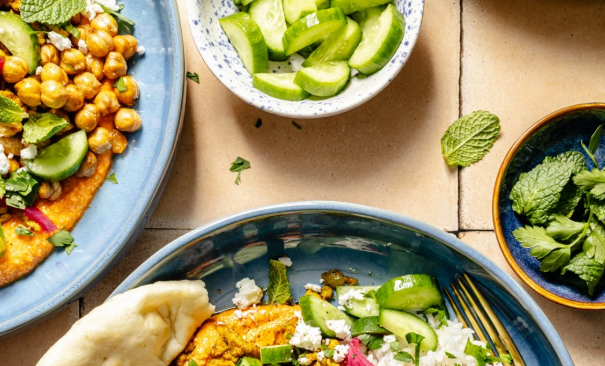
Healthy cooking often sounds like a lofty goal, something reserved for people with unlimited time, expensive ingredients, and a perfectly organized kitchen. In reality, it can be much more practical and approachable. With a few thoughtful habits and a realistic mindset, anyone can make healthier meals part of everyday life without feeling overwhelmed or restricted.
The first step in making healthy cooking practical is to shift the way you think about it. Instead of aiming for perfection, focus on consistency. A home-cooked meal that includes a balance of vegetables, protein, and whole grains is already a strong step forward, even if it is simple. Cooking does not need to involve complicated recipes or rare ingredients to be nourishing. In fact, the most sustainable habits are often built around meals that are easy to repeat and adapt.
Planning plays a key role in reducing stress around cooking. Taking a little time to think about meals for the next few days can save both time and energy later. This does not require a strict schedule. Even a loose idea of what you might cook can help you shop more efficiently and avoid last-minute decisions that lead to less healthy options. Keeping a short list of go-to meals that you enjoy can make this process even easier. When you know you have reliable choices, cooking becomes less of a chore and more of a routine.
Another important aspect is keeping your kitchen stocked with versatile ingredients. Items like rice, beans, eggs, seasonal vegetables, and simple proteins can be combined in many ways. When your kitchen contains flexible options, you can prepare a variety of meals without needing to follow a recipe exactly. This flexibility makes cooking feel less rigid and more creative, which can increase your motivation to stick with it.
Time is one of the most common barriers to healthy cooking, but there are practical ways to manage it. Preparing ingredients in advance can make a significant difference. Washing and chopping vegetables ahead of time or cooking a batch of grains to use throughout the week can reduce the effort required for each meal. Cooking larger portions and saving leftovers is another effective strategy. A meal prepared today can become tomorrow’s lunch, saving both time and effort.
It is also helpful to embrace simple cooking methods. Techniques like steaming, sautéing, baking, and grilling can be used in countless ways and do not require advanced skills. Learning a few basic methods allows you to prepare a wide range of meals without feeling intimidated. Over time, these methods become second nature, making cooking faster and more enjoyable.
Flavor is an essential part of healthy cooking. Many people assume that nutritious food is bland, but that is far from true. Herbs, spices, garlic, citrus, and natural seasonings can transform simple ingredients into satisfying meals. Experimenting with different flavors can make healthy dishes more appealing and help you discover combinations you truly enjoy. When food tastes good, it becomes easier to maintain healthy habits over the long term.