
Healthy Cooking That Feels Natural
Healthy Cooking That Feels Natural
Healthy cooking that feels natural is less about strict rules and more about building a comfortable, sustainable relationship with food. Instead of chasing perfection or following rigid trends, it focuses on simple choices that fit into everyday life. When cooking becomes intuitive and enjoyable, it is easier to maintain habits that support long-term well-being.
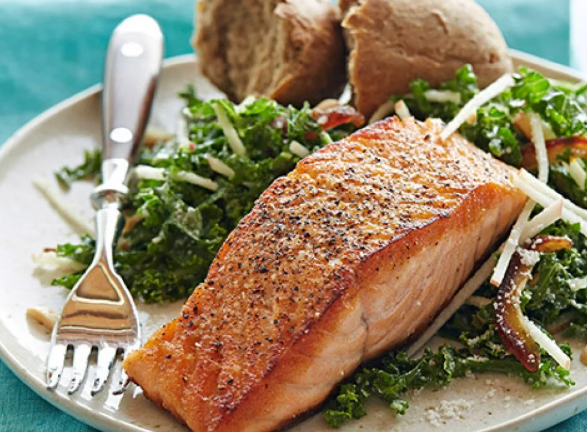
A natural approach to healthy cooking begins with whole ingredients. Fresh vegetables, fruits, grains, and proteins provide a solid foundation without requiring complicated preparation. Choosing foods in their more recognizable forms helps you stay connected to what you are eating. For example, preparing a meal with rice, sautéed vegetables, and a lightly seasoned protein can feel both nourishing and satisfying without being overwhelming.
Another key element is balance rather than restriction. Many people associate healthy eating with eliminating certain foods, but this can make the experience feel forced or stressful. A more natural method allows room for variety, where wholesome meals coexist with occasional treats. This balanced mindset helps reduce guilt and encourages consistency, which is more beneficial over time than short bursts of strict dieting.
Cooking methods also play an important role. Techniques like steaming, roasting, grilling, and light sautéing can enhance flavor without relying heavily on processed additives. Using herbs, spices, garlic, or citrus can bring depth to dishes while keeping them fresh and vibrant. Over time, your taste preferences begin to shift, making natural flavors more appealing and reducing the need for excessive salt or sugar.
Listening to your body is another part of cooking in a way that feels natural. Hunger and fullness cues can guide portion sizes and meal timing. Instead of following a fixed schedule that may not suit your needs, tuning in to how you feel allows you to respond more thoughtfully. This approach encourages mindful eating, where meals are enjoyed rather than rushed.
Time and convenience matter as well. Healthy cooking does not have to mean spending hours in the kitchen. Preparing simple meals, batch cooking, or keeping a few staple ingredients on hand can make the process easier. When cooking fits into your routine without added pressure, it becomes something you look forward to instead of a task to avoid.
Cultural and personal preferences should also be part of the experience. Foods that are familiar and meaningful often bring a sense of comfort, making healthy habits easier to maintain. Adapting traditional recipes with small adjustments, such as using less oil or adding more vegetables, can preserve flavor while improving nutritional value.
Ultimately, healthy cooking that feels natural is about creating a positive, flexible approach to food. It supports both physical health and enjoyment, allowing meals to be a source of nourishment and satisfaction. By focusing on simplicity, balance, and personal preference, cooking can become an effortless part of a healthy lifestyle rather than a strict obligation.
