
Healthy Cooking That Works for You
Healthy Cooking That Works for You
Healthy cooking does not have to be complicated, expensive, or time-consuming. In fact, the most sustainable approach to eating well is one that fits naturally into your daily life. Rather than chasing strict rules or trendy diets, it is far more effective to build habits that support your energy, preferences, and routine. When healthy cooking works for you, it becomes something you can maintain long term without stress or frustration.
A good starting point is understanding that healthy cooking is flexible. It is not about perfection or eliminating entire food groups. Instead, it focuses on balance, variety, and mindful preparation. Meals can be both nourishing and enjoyable without feeling restrictive. This mindset helps remove pressure and allows you to make better choices consistently, which is what truly matters over time.
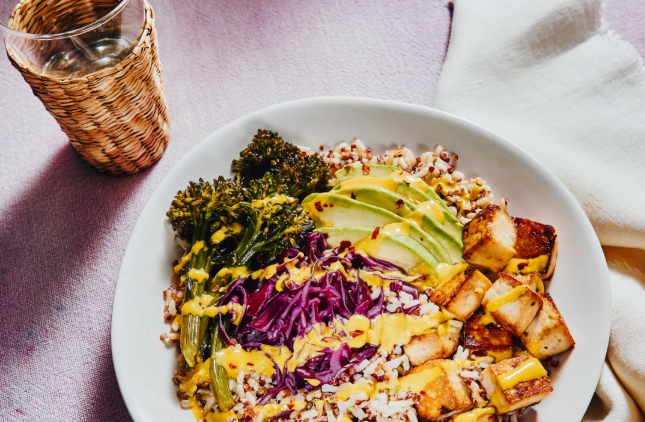
One of the most practical ways to make healthy cooking work is to keep things simple. You do not need elaborate recipes or hard-to-find ingredients. Basic foods like vegetables, grains, proteins, and healthy fats can be combined in many ways to create satisfying meals. For example, a bowl of rice with sautéed vegetables and a source of protein such as eggs, beans, or chicken can be both nutritious and easy to prepare. Simplicity reduces the barrier to cooking at home and makes it easier to stick with the habit.
Planning also plays an important role, but it does not need to be rigid. Having a general idea of what you will cook during the week can save time and reduce last-minute decisions that often lead to less healthy options. This might involve preparing a few ingredients in advance, such as washing vegetables or cooking grains, so they are ready to use. Flexible planning allows you to adapt based on your schedule and mood, which helps prevent cooking from feeling like a chore.
Another key aspect is learning to cook in a way that suits your taste. Healthy food should still be enjoyable. Using herbs, spices, and natural seasonings can enhance flavor without relying on excessive salt or added sugars. Experimenting with different cooking methods, such as steaming, grilling, or stir-frying, can also bring out the natural taste of ingredients. When meals are flavorful, you are more likely to choose them over less nutritious alternatives.
Time management is often a concern, especially for people with busy schedules. Healthy cooking can still fit into a limited timeframe by focusing on efficiency. Quick recipes, one-pan meals, and batch cooking can significantly reduce the time spent in the kitchen. Preparing larger portions and saving leftovers for future meals is another effective strategy. This not only saves time but also ensures that you always have a healthy option available when you need it.
It is also important to make your kitchen environment supportive. Keeping healthy ingredients visible and accessible encourages better choices. For example, having fresh fruits on the counter or pre-cut vegetables in the refrigerator can make it easier to reach for them when you are hungry. At the same time, limiting the presence of heavily processed snacks can reduce temptation without requiring strict self-control.


