
Healthy Cooking Tips That Work Daily
Healthy Cooking Tips That Work Daily
Healthy cooking does not require complicated recipes, expensive ingredients, or hours in the kitchen. Small habits repeated every day can make meals more nutritious and enjoyable while supporting long-term wellness. By choosing simple methods and fresh ingredients, anyone can create dishes that taste great and fit a balanced lifestyle. These practical cooking tips are easy to follow and can become part of your daily routine.
One of the best ways to cook healthier meals is to start with whole ingredients. Fresh vegetables, fruits, whole grains, lean proteins, nuts, seeds, and legumes provide natural nutrients without excessive additives. Foods in their original form often contain more fiber, vitamins, and minerals than highly processed alternatives. Building meals around these ingredients helps create satisfying dishes that support overall health.
Planning meals ahead of time can make healthy cooking much easier. When you know what you intend to prepare, you are less likely to rely on convenience foods that may contain high amounts of sodium, sugar, or unhealthy fats. A simple weekly plan allows you to shop efficiently, reduce food waste, and save time during busy days. Even outlining a few meals in advance can make a meaningful difference.
Keeping your kitchen stocked with healthy staples is another useful habit. Brown rice, oats, canned beans, frozen vegetables, herbs, olive oil, and lean proteins can be combined in countless ways. Having these ingredients available encourages home cooking and reduces the temptation to order takeout. Frozen vegetables and fruits are especially convenient because they retain important nutrients and can be used whenever needed.
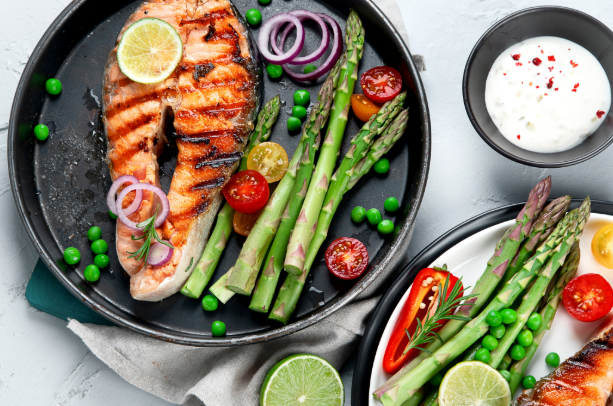
Choosing healthier cooking methods can improve the nutritional value of meals. Baking, steaming, grilling, roasting, and sautéing with small amounts of oil are excellent alternatives to deep frying. These methods help preserve flavor and texture while reducing excess fat. Roasting vegetables, for example, enhances their natural sweetness and makes them more appealing to both children and adults.
Using healthy fats in moderation is an important part of balanced cooking. Olive oil, avocado, nuts, and seeds contain beneficial fats that support heart health when enjoyed as part of a varied diet. A small amount of olive oil can add richness to vegetables, grains, and proteins without overwhelming the dish. Measuring oil instead of pouring directly from the bottle can help maintain reasonable portions.
Adding more vegetables to everyday meals is one of the simplest ways to improve nutrition. Vegetables provide fiber, antioxidants, and a wide range of essential nutrients. They can be included in soups, stir-fries, omelets, casseroles, and pasta dishes. Mixing colorful vegetables into familiar recipes boosts both visual appeal and nutritional value. The more variety you include, the broader the range of nutrients you enjoy.
