
Healthy Cooking Without Complexity
Healthy Cooking Without Complexity
Healthy cooking does not have to be difficult, time-consuming, or expensive. Many people believe that preparing nutritious meals requires advanced skills, long ingredient lists, and hours in the kitchen. In reality, healthy cooking can be simple, enjoyable, and practical for everyday life. By focusing on basic ingredients and easy methods, anyone can create meals that support wellness and taste delicious.
The foundation of healthy cooking is using fresh and wholesome foods. Vegetables, fruits, whole grains, lean proteins, legumes, nuts, and seeds provide essential nutrients that help the body function well. These foods are naturally rich in vitamins, minerals, fiber, and beneficial compounds that support energy and overall health. Choosing a variety of colorful ingredients also makes meals more visually appealing and satisfying.
One of the best ways to simplify healthy cooking is to keep ingredients straightforward. A balanced meal can be made with just a few components, such as grilled chicken, steamed vegetables, and brown rice. Another easy option is a vegetable omelet with whole grain toast. Even a bowl of oatmeal topped with fresh fruit and nuts can serve as a nutritious and filling meal. Simplicity often leads to consistency, which is an important part of maintaining healthy habits.
Planning meals ahead of time can reduce stress and make cooking easier. Preparing a list of meals for the week helps organize grocery shopping and prevents last-minute decisions. Having a few reliable recipes on hand can save time and increase confidence in the kitchen. Many healthy meals use common ingredients that can be combined in different ways to create variety without extra effort.
Cooking methods also play a major role in healthy eating. Baking, steaming, grilling, roasting, and sautéing with small amounts of oil are effective techniques that preserve flavor and nutrients. These methods allow ingredients to shine without requiring heavy sauces or excessive fats. Herbs, spices, garlic, ginger, lemon juice, and vinegar can add bold and satisfying flavors naturally.
Healthy cooking does not mean giving up enjoyable foods. It simply involves making thoughtful choices about ingredients and preparation. For example, replacing refined grains with whole grains increases fiber intake and helps promote fullness. Using yogurt instead of heavy cream can create a creamy texture with less saturated fat. Adding extra vegetables to soups, pasta dishes, and casseroles boosts nutritional value while enhancing taste and texture.
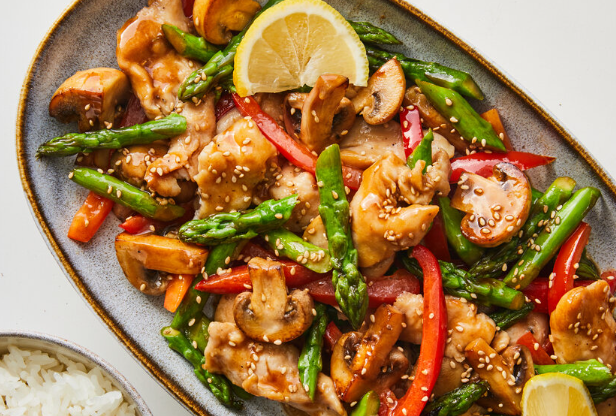
One-pot meals are especially useful for those who want healthy cooking without complexity. Soups, stews, stir-fries, and grain bowls combine multiple food groups in a single dish. They require fewer utensils and often provide leftovers for future meals. A simple vegetable and bean soup can be hearty and nourishing, while a stir-fry with tofu, broccoli, carrots, and brown rice offers a balanced and colorful dinner.
Batch cooking is another practical strategy. Preparing larger portions of staple foods such as quinoa, roasted vegetables, and grilled protein can make weekday meals faster and more convenient. These prepared ingredients can be mixed and matched to create salads, wraps, bowls, and soups. Batch cooking saves time and encourages healthier choices by ensuring nutritious options are readily available.
Frozen and canned ingredients can also support healthy cooking when chosen carefully. Frozen vegetables and fruits are often picked at peak ripeness and retain much of their nutritional value. Canned beans, tomatoes, and tuna provide convenience and versatility. Selecting products with minimal added salt or sugar helps maintain a wholesome approach. These pantry staples make it easier to prepare balanced meals even on busy days.
