
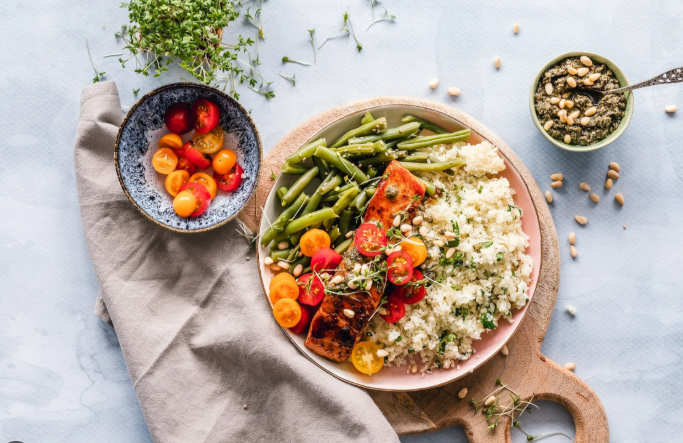
Improve Your Meals with Smart Cooking Choices
Creating better meals does not require expensive ingredients, complicated techniques, or professional training. Often, the biggest improvements come from small, thoughtful decisions made in the kitchen every day. Smart cooking choices can enhance flavor, boost nutrition, reduce waste, and make the entire experience more enjoyable. By being intentional about what you cook and how you prepare it, you can transform ordinary meals into something satisfying, balanced, and nourishing.
One of the most impactful choices starts before you even begin cooking. Selecting fresh, high-quality ingredients lays the foundation for a great meal. Fresh vegetables, whole grains, and properly stored proteins tend to taste better and retain more nutrients. When possible, choosing seasonal produce can make a noticeable difference in both flavor and cost. Seasonal ingredients are often harvested at their peak, which means they bring natural richness to your dishes without the need for heavy sauces or excessive seasoning.
Equally important is how you store and handle your ingredients. Proper storage helps maintain freshness and prevents unnecessary waste. Keeping herbs in a glass of water, storing leafy greens in breathable containers, and organizing your pantry so older items are used first are simple habits that go a long way. When ingredients are fresh and well cared for, your meals naturally improve without requiring extra effort.
Cooking methods also play a key role in shaping both taste and nutrition. Opting for techniques like steaming, roasting, grilling, or sautéing with minimal oil can help preserve the natural qualities of your food. These methods allow ingredients to shine on their own while keeping meals lighter and more balanced. For example, roasting vegetables brings out their natural sweetness, while steaming helps retain vitamins and color. Choosing the right cooking method for each ingredient ensures you get the best possible result.
Seasoning is another area where smart decisions can elevate your cooking. Instead of relying heavily on salt or processed sauces, consider using herbs, spices, citrus, and natural aromatics like garlic and onions. These ingredients add depth and complexity without overwhelming the dish. Learning how different flavors complement each other can turn a simple recipe into something memorable. A squeeze of lemon, a pinch of fresh herbs, or a touch of spice can completely transform a meal.
Portion awareness is another important aspect of improving meals. Preparing balanced portions helps ensure that meals are satisfying without being excessive. Including a mix of vegetables, proteins, and carbohydrates creates a more complete and enjoyable dining experience. This approach not only supports better eating habits but also encourages variety, which keeps meals interesting over time.
Planning ahead is a powerful tool for making smarter cooking choices. Taking a little time to think about your meals for the week can reduce stress and prevent last-minute decisions that may not align with your goals. Meal planning does not have to be rigid or complicated. Even a simple outline of a few dishes can help you shop more efficiently and avoid food waste. It also allows you to reuse ingredients in creative ways, making cooking more convenient and cost-effective.
Another smart approach is learning how to adapt recipes. Instead of following instructions exactly every time, consider adjusting them based on what you have available or your personal preferences. Swapping ingredients, reducing added sugars, or experimenting with different cooking techniques can make recipes more suitable for your needs. This flexibility encourages creativity and helps you develop confidence in the kitchen.
Reducing waste is an often overlooked but valuable part of smart cooking. Using leftovers creatively can turn yesterday’s meal into something new and exciting. For example, roasted vegetables can be added to soups, grains can be turned into salads, and extra proteins can be incorporated into wraps or stir-fries. Making use of what you already have not only saves money but also encourages mindful consumption.
Time management is another factor that contributes to better meals. Preparing ingredients in advance, organizing your workspace, and using efficient cooking techniques can make the process smoother and more enjoyable. Simple habits like chopping vegetables ahead of time or cooking larger batches can save valuable time during busy days. When cooking feels manageable, it becomes easier to maintain consistent, thoughtful choices.
Kitchen tools can also support smarter cooking, but they do not need to be expensive or complex. Having a few reliable essentials such as a sharp knife, sturdy cookware, and basic utensils can make a significant difference. These tools help you prepare food more efficiently and safely, allowing you to focus on the quality of your meals rather than struggling with the process.
Mindful eating is the final piece that ties everything together. Taking the time to appreciate your food, notice flavors, and enjoy the experience can enhance satisfaction and help you make better choices over time. Eating slowly and without distractions allows you to connect with your meals and recognize when you feel comfortably full. This awareness contributes to a more positive relationship with food.
Improving your meals with smart cooking choices is not about perfection or strict rules. It is about making thoughtful decisions that fit your lifestyle and preferences. Small changes, when practiced consistently, can lead to meaningful improvements in both taste and overall well-being. By focusing on fresh ingredients, balanced preparation, and mindful habits, you can create meals that are both enjoyable and nourishing.
Over time, these choices become second nature, turning everyday cooking into a rewarding and creative part of your routine. The kitchen becomes a place where simple ingredients are transformed into something satisfying, and where each meal reflects care and intention. With a little attention and creativity, anyone can improve their meals and enjoy the benefits of smarter cooking.
