
Light and Fresh Cooking Methods
Light and Fresh Cooking Methods
Light and fresh cooking methods offer a simple way to enjoy flavorful meals while keeping ingredients vibrant and nourishing. By focusing on techniques that preserve natural taste and texture, you can create dishes that feel satisfying without being heavy. This approach is not about restriction, but about balance, freshness, and letting ingredients shine in their best form.
One of the most popular methods is steaming. Steaming helps vegetables retain their color, nutrients, and natural sweetness without the need for added fats. From crisp green beans to tender fish, this gentle cooking style enhances the original flavor instead of masking it. A squeeze of citrus or a sprinkle of herbs at the end can elevate the dish even more.
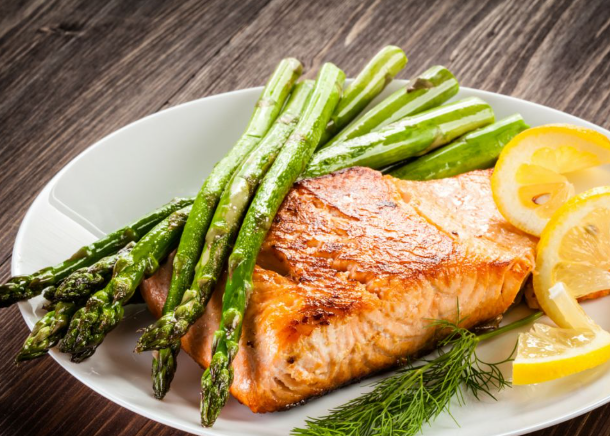
Grilling is another excellent option for light cooking. Whether using an outdoor grill or a stovetop pan, this method adds a subtle smoky flavor while allowing excess fat to drip away. Lean proteins such as chicken, fish, or plant-based alternatives work particularly well. Pairing grilled items with fresh salads or lightly dressed grains creates a balanced and refreshing meal.
Sautéing with minimal oil is also a practical technique. Using a nonstick pan or a small amount of healthy oil allows you to cook ingredients quickly while preserving their texture. Adding garlic, ginger, or fresh herbs during cooking can bring depth without making the dish feel heavy. The key is to keep the heat moderate and avoid overcooking.
Poaching offers another gentle way to prepare food. This method involves cooking ingredients in simmering liquid such as water, broth, or infused mixtures. It works beautifully for eggs, fish, and even fruits. Because the cooking temperature remains low, the result is tender and delicate, with subtle flavors that feel clean and comforting.
Raw and lightly dressed dishes also play an important role in fresh cooking. Salads made with crisp vegetables, fruits, nuts, and seeds can be both nourishing and satisfying. Simple dressings made from olive oil, lemon juice, or yogurt add flavor without overwhelming the ingredients. These dishes are easy to customize and can be adapted to suit different tastes and seasons.
Another helpful approach is blanching, where ingredients are briefly cooked in boiling water and then cooled quickly. This technique preserves color and crunch, making it ideal for vegetables that you want to keep vibrant. Blanched vegetables can be served on their own or added to salads and grain bowls for extra texture.
Choosing light and fresh cooking methods also encourages mindful ingredient selection. Seasonal produce, lean proteins, and whole grains naturally complement these techniques. When ingredients are fresh, they require less manipulation and fewer additives to taste good.
By incorporating these methods into your routine, cooking becomes both enjoyable and flexible. Meals feel lighter, yet still satisfying, and the focus shifts toward natural flavors and simple preparation. Over time, this approach can help build a positive and sustainable relationship with food, centered on freshness, variety, and ease.
