
Light Cooking for Better Nutrition
Light Cooking for Better Nutrition
Preparing meals with gentle cooking methods is one of the simplest ways to support better nutrition and healthier eating habits. Many people focus only on ingredients when trying to improve their diet, but the way food is cooked also plays an important role. Light cooking techniques can help preserve natural nutrients, reduce excess fat, and create meals that feel fresh and satisfying without being heavy.
Light cooking usually involves methods such as steaming, baking, grilling, poaching, sautéing with small amounts of oil, and stir-frying at moderate temperatures. These techniques are often preferred because they help maintain the texture, flavor, and nutritional value of foods. Compared to deep frying or overcooking, lighter methods may support balanced eating while still delivering enjoyable meals.
Vegetables are especially suitable for light cooking. Fresh vegetables contain vitamins, minerals, fiber, and antioxidants that contribute to overall wellness. However, cooking them for too long or at extremely high temperatures may reduce some sensitive nutrients. Steaming vegetables for a short period can help them stay colorful, crisp, and flavorful while retaining much of their nutritional content. Light sautéing with olive oil or gentle roasting can also enhance taste without overwhelming the natural qualities of the ingredients.
Protein choices also benefit from lighter preparation styles. Lean poultry, fish, beans, tofu, and eggs can be prepared in ways that support healthier meals without sacrificing flavor. Grilling or baking fish with herbs and lemon creates a satisfying dish that feels light yet nourishing. Poached chicken or lightly stir-fried tofu can provide protein while keeping meals balanced and easy to enjoy.
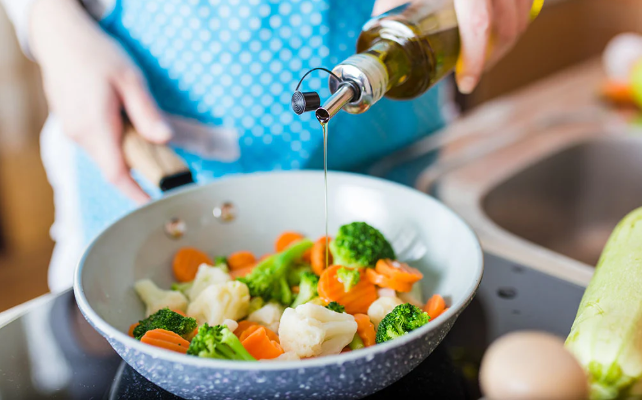
Using less added fat is another important advantage of light cooking. Heavy frying often requires large amounts of oil, which can increase calorie intake. In contrast, light cooking methods rely on smaller amounts of healthy oils or moisture-based preparation. A simple drizzle of olive oil, avocado oil, or sesame oil may be enough to bring out flavor while supporting moderation.
Seasoning also plays a key role in healthier cooking. Instead of relying on excessive salt, creamy sauces, or processed flavorings, many light recipes use herbs, garlic, citrus, onions, ginger, and spices for natural taste. Fresh basil, parsley, rosemary, cumin, turmeric, and black pepper can transform simple ingredients into appealing dishes. These seasonings allow meals to remain flavorful while supporting a more balanced approach to eating.
Whole grains are another valuable part of light cooking. Brown rice, quinoa, oats, and whole wheat pasta provide fiber and energy that may help people feel satisfied longer. Pairing lightly cooked vegetables with whole grains and lean proteins can create complete meals suitable for lunch or dinner. These combinations are often filling without feeling overly rich.
One of the best things about light cooking is its flexibility. Meals can be adjusted to suit personal preferences, cultural traditions, and seasonal ingredients. During warmer months, people may enjoy grilled vegetables, salads with lightly cooked proteins, and fruit-based dishes. In cooler seasons, soups, steamed vegetables, and baked meals can provide comfort while still maintaining a lighter style of preparation.
