
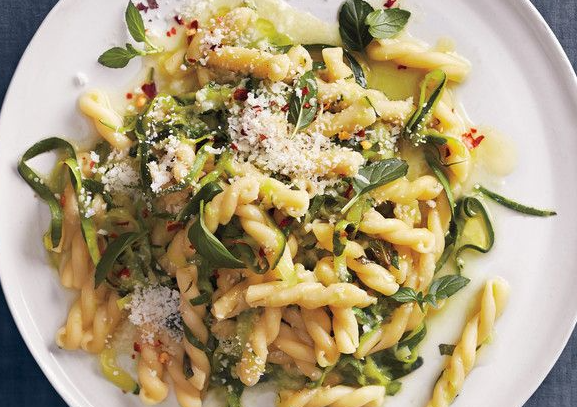
Light Cooking for Everyday Enjoyment
Light Cooking for Everyday Enjoyment
Cooking does not have to be complicated or time-consuming to be satisfying. In fact, some of the most enjoyable meals come from simple, thoughtful preparation using fresh ingredients and a relaxed approach. Light cooking is about creating dishes that feel good to eat, are easy to prepare, and fit naturally into daily life. It encourages balance, creativity, and a sense of ease in the kitchen without pressure or perfection.
At its core, light cooking focuses on freshness and simplicity. Instead of relying on heavy sauces or complex techniques, it highlights the natural flavors of ingredients. Fresh vegetables, grains, lean proteins, and herbs play a central role. Meals are often prepared with minimal oil and gentle cooking methods such as steaming, sautéing, baking, or grilling. These methods preserve both taste and texture while keeping dishes enjoyable and satisfying.
One of the biggest advantages of light cooking is how approachable it is. You do not need specialized skills or equipment to get started. A few basic tools, such as a knife, a pan, and a pot, are enough to create a wide variety of meals. This makes it ideal for busy individuals, families, or anyone looking to spend less time in the kitchen without sacrificing quality.
Planning is helpful but does not need to be strict. Light cooking works best when it adapts to what is available. Seasonal produce is often more flavorful and affordable, making it a great foundation for everyday meals. A quick trip to a local market can inspire dishes for several days. For example, fresh greens can become a simple salad one day and a light stir-fry the next. This flexibility keeps cooking interesting while reducing waste.
Flavor in light cooking comes from thoughtful combinations rather than heavy additions. A squeeze of citrus, a sprinkle of herbs, or a dash of spices can transform a dish. Garlic, ginger, basil, and coriander are just a few examples of ingredients that add depth without overpowering the meal. By focusing on balance, it becomes easier to enjoy food that feels both nourishing and satisfying.
Portion awareness is another gentle aspect of light cooking. Instead of large, heavy servings, meals are designed to feel comfortable and energizing. This does not mean eating less, but rather eating in a way that leaves you feeling refreshed rather than overly full. Pairing different textures and food groups, such as combining grains with vegetables and protein, helps create meals that are both complete and enjoyable.
Time efficiency is also a key benefit. Many light cooking recipes can be prepared in under thirty minutes. Simple techniques such as prepping ingredients in advance or cooking in batches can make daily meals even easier. For instance, cooking a pot of rice or grains at the beginning of the week allows you to quickly assemble meals without starting from scratch each time. This approach supports consistency without requiring extra effort.
Light cooking can also be a creative outlet. Without the pressure of strict recipes, there is room to experiment with flavors and combinations. Trying new ingredients or adjusting familiar dishes can bring a sense of discovery to everyday meals. Even small changes, like swapping one vegetable for another or adding a new herb, can make cooking feel fresh and engaging.


