
Light Cooking Methods That Enhance Flavor
Light cooking methods can transform simple ingredients into deeply flavorful dishes while keeping meals wholesome and appealing. By focusing on gentle techniques and thoughtful preparation, it is possible to enhance natural tastes without relying on excessive fats or heavy processing. This approach not only supports balanced eating habits but also aligns with content standards that encourage safe, respectful, and widely accessible culinary guidance.
One of the most effective light cooking methods is steaming. This technique uses hot vapor to cook food evenly while preserving moisture, color, and nutrients. Vegetables like broccoli, carrots, and green beans retain their vibrant appearance and subtle sweetness when steamed properly. Fish and dumplings also benefit from this method, as steaming keeps textures tender without introducing added oils. The key to enhancing flavor when steaming lies in aromatics. Adding slices of ginger, garlic, or herbs to the steaming water allows gentle infusion, creating a delicate yet noticeable depth.
Another valuable technique is sautéing with minimal oil. While traditional sautéing can involve generous amounts of fat, a lighter approach uses just enough oil to prevent sticking while allowing ingredients to develop a slight caramelization. Using a nonstick or well-seasoned pan helps maintain control over oil usage. Ingredients like onions, mushrooms, and bell peppers release natural sugars when lightly sautéed, creating rich flavors without heaviness. Deglazing the pan with a splash of broth, citrus juice, or vinegar can lift browned bits and add complexity without adding excess calories.
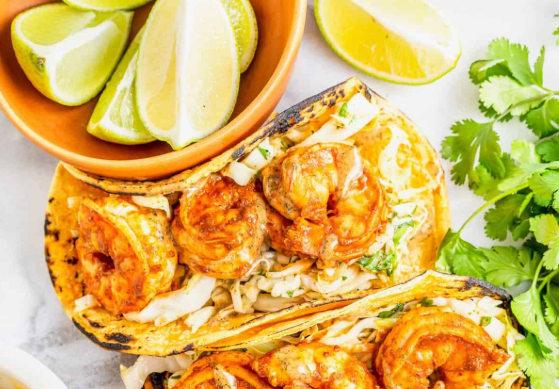
Grilling is often associated with bold flavors, and it can also be a light cooking method when handled thoughtfully. Cooking over an open flame or hot grill allows fat to drip away from proteins like chicken, fish, or vegetables. The high heat creates appealing char marks and a smoky aroma that enhances taste without needing heavy sauces. Marinades made with herbs, spices, and a small amount of oil can amplify flavor while keeping dishes balanced. Choosing fresh ingredients and avoiding overly sugary or processed marinades ensures the final result remains both flavorful and suitable for a wide audience.
Poaching offers another gentle way to cook while maintaining natural flavors. This method involves simmering food in liquid at a low temperature, which helps preserve texture and prevent dryness. Eggs, chicken, and fruits respond particularly well to poaching. Using broth, tea, or lightly spiced water as the cooking liquid can subtly infuse ingredients. Because poaching does not require added fat, it is an excellent option for those seeking lighter meals that still feel satisfying and refined.
Roasting, when done with care, can also be considered a light cooking method. By using moderate heat and minimal oil, roasting brings out the natural sweetness and complexity of foods. Vegetables such as sweet potatoes, zucchini, and tomatoes develop deeper flavors as their sugars caramelize in the oven. Spreading ingredients evenly and avoiding overcrowding allows proper airflow, ensuring crisp edges without excessive oil. A light sprinkle of herbs or spices before roasting can further elevate the taste.
Stir-frying is another versatile technique that can remain light when approached correctly. Quick cooking over high heat allows ingredients to retain their texture and color while absorbing flavors efficiently. Using a small amount of oil and incorporating plenty of vegetables keeps the dish balanced. Garlic, ginger, and soy-based sauces can provide strong flavor with minimal quantity. The speed of stir-frying also helps preserve nutrients, making it a practical option for everyday meals.
Baking, often associated with heavier dishes, can also be adapted into a lighter cooking method. Preparing foods in the oven using parchment paper or covered dishes helps retain moisture without requiring added fats. Fish baked with lemon and herbs, for example, develops a clean and fresh taste. Whole grains and lean proteins can be combined in baked dishes that feel comforting yet remain moderate in richness. Adjusting recipes to reduce excess sugar, salt, and fat contributes to a more balanced outcome.
Blanching is a simple yet effective technique that enhances both flavor and texture. Briefly boiling vegetables and then cooling them quickly in cold water helps preserve color and crispness. This method removes bitterness from certain greens and prepares ingredients for further light cooking methods such as sautéing or tossing into salads. The result is a fresher taste that highlights the natural qualities of each ingredient.
Seasoning plays a central role in all light cooking methods. Fresh herbs like basil, cilantro, and parsley can brighten dishes without adding heaviness. Citrus zest and juice provide acidity that enhances flavor perception, making meals more satisfying. Spices such as cumin, paprika, and turmeric add warmth and depth without relying on fat. Using these elements thoughtfully ensures that light cooking never feels bland or restrictive.
Texture is another important aspect of flavor enhancement. Combining different cooking methods within a single dish can create contrast that makes meals more enjoyable. For instance, pairing steamed vegetables with lightly grilled protein introduces both softness and charred notes. Adding a small amount of crunch through toasted seeds or nuts can elevate a dish while still keeping it balanced.
Timing and temperature control are essential for achieving the best results with light cooking techniques. Overcooking can dull flavors and reduce the appeal of even the freshest ingredients. Paying attention to cooking times and adjusting heat levels helps maintain quality. Gentle methods often require patience, but the reward is a cleaner, more natural taste that stands out without unnecessary additions.
Ultimately, light cooking methods demonstrate that flavor does not depend on heaviness. By focusing on freshness, technique, and thoughtful seasoning, it is possible to create meals that are both satisfying and aligned with responsible content standards. These approaches encourage creativity in the kitchen while supporting a balanced lifestyle. Whether steaming, grilling, poaching, or roasting, each method offers a unique way to highlight the true character of ingredients, proving that simplicity can be both delicious and rewarding.
