
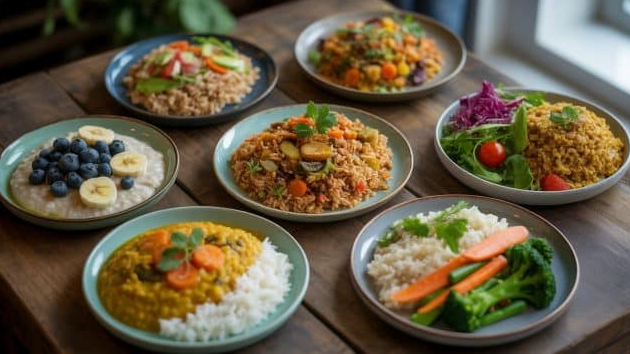
Light Cooking That Supports Wellness
Light Cooking That Supports Wellness
Light cooking is a simple and enjoyable way to prepare meals that nourish the body while keeping flavors fresh and satisfying. By using gentle cooking methods and wholesome ingredients, it is possible to create dishes that feel comforting without being overly heavy. This approach to food preparation supports a balanced lifestyle and encourages mindful eating habits that can be maintained over time.
Many people are looking for practical ways to eat better while still enjoying delicious meals. Light cooking offers a natural solution. It focuses on techniques such as steaming, baking, grilling, sautéing, and poaching rather than deep frying or using excessive amounts of oil. These methods help preserve the natural taste, color, and texture of ingredients while keeping meals simple and appealing.
A wellness-focused kitchen begins with fresh ingredients. Vegetables, fruits, whole grains, lean proteins, legumes, herbs, and healthy fats all play an important role. Each ingredient contributes valuable nutrients and adds variety to daily meals. Colorful vegetables like spinach, carrots, bell peppers, and zucchini provide vitamins and minerals, while proteins such as fish, chicken, tofu, and beans offer lasting satisfaction.
One of the main benefits of light cooking is that it highlights natural flavors. Instead of relying on heavy sauces or rich preparations, cooks can use herbs, citrus, garlic, ginger, and mild spices to enhance taste. Lemon juice brightens steamed vegetables, fresh basil adds fragrance to tomato dishes, and ginger brings warmth to stir-fries and soups. These ingredients make meals interesting and flavorful without overwhelming the palate.
Steaming is one of the gentlest cooking methods available. It helps vegetables maintain their vibrant colors and crisp textures while preserving many nutrients. Broccoli, green beans, carrots, and leafy greens all respond well to steaming. A simple drizzle of olive oil and a squeeze of lemon can turn steamed vegetables into a satisfying side dish or a base for a complete meal.
Baking is another versatile technique that supports wellness. Roasted vegetables develop a naturally sweet flavor, while baked fish and poultry remain tender and juicy. Using parchment paper or ceramic dishes can reduce the need for additional fat and make cleanup easier. Baking also allows ingredients to cook evenly, creating reliable results with minimal effort.
Grilling adds a smoky depth to foods while requiring little added oil. Vegetables such as eggplant, mushrooms, and peppers become rich and flavorful when grilled. Lean proteins develop a delicious crust while staying moist inside. Pairing grilled items with fresh salads or whole grains creates balanced meals that feel both light and satisfying.
Sautéing with a small amount of healthy oil is a quick and practical cooking method. Olive oil and avocado oil are popular choices because they complement many ingredients. Cooking onions, garlic, and vegetables over moderate heat helps release their aromas and creates a flavorful foundation for soups, grain bowls, and pasta dishes.
