
Practical Tips for Clean and Healthy Cooking
Cooking at home is one of the most effective ways to support a healthier lifestyle, but it also comes with responsibilities that go beyond choosing the right ingredients. Clean and healthy cooking is not only about nutrition; it also involves maintaining a safe kitchen environment, practicing proper food handling, and using methods that preserve both flavor and well-being. By adopting a few practical habits, anyone can transform everyday cooking into a more hygienic, efficient, and health-conscious routine.
A clean kitchen begins with organization. Keeping countertops uncluttered makes it easier to prepare food safely and reduces the risk of cross-contamination. Before starting any cooking session, it helps to wipe down surfaces with a mild, food-safe cleaner and ensure that all utensils and cutting boards are properly washed and dried. Clean tools are just as important as fresh ingredients, since bacteria can easily transfer from one surface to another if care is not taken. Establishing this habit creates a strong foundation for everything that follows.
Hand hygiene is another essential aspect of clean cooking. Washing hands thoroughly with soap and water before handling food, especially after touching raw meat, seafood, or eggs, can significantly reduce the spread of harmful microbes. It may seem like a simple step, but it is one of the most effective ways to protect both the cook and anyone who will enjoy the meal. Consistency in this practice is key, particularly when preparing multiple ingredients in one session.
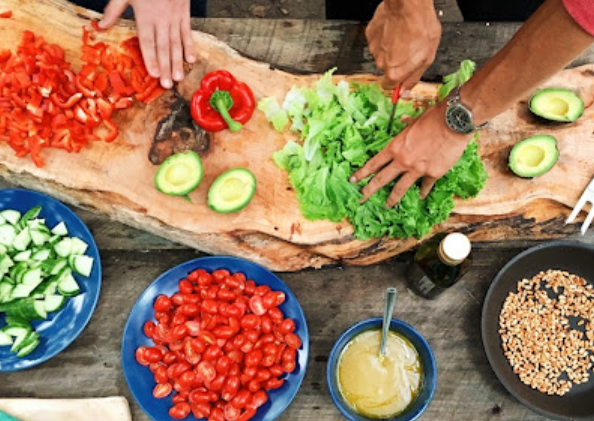
Choosing fresh, high-quality ingredients plays a major role in healthy cooking. Fruits and vegetables should be washed under clean running water to remove dirt and residues. For leafy greens, separating the leaves and rinsing them individually ensures a more thorough clean. When it comes to proteins, selecting properly stored and handled items from reliable sources can make a noticeable difference in both taste and safety. Paying attention to expiration dates and storage instructions helps prevent foodborne issues and supports overall health.
Proper storage is often overlooked, yet it is crucial for maintaining food quality. Refrigerators should be kept at a consistent, safe temperature, and foods should be stored in sealed containers to avoid contamination and spoilage. Raw meats should be placed on lower shelves to prevent juices from dripping onto other foods. Labeling leftovers with dates can also help track freshness and reduce waste. These small actions contribute to a cleaner kitchen and safer meals.
Cooking methods also influence how healthy a dish turns out. Techniques such as steaming, baking, grilling, and sautéing with minimal oil can preserve nutrients while reducing excess fat. Using herbs, spices, and natural flavorings instead of relying heavily on salt or processed sauces enhances both taste and nutritional value. It is helpful to experiment with different cooking styles to discover what works best for personal preferences while keeping health in mind.
Another important factor is managing cooking temperatures. Ensuring that food is cooked to the appropriate internal temperature helps eliminate harmful bacteria. Using a food thermometer can provide accuracy and confidence, especially when preparing meat or poultry. At the same time, avoiding overcooking is beneficial, as excessive heat can diminish nutrients and affect texture. Finding the right balance contributes to both safety and enjoyment.
Clean-as-you-go is a practical habit that simplifies the entire cooking process. Washing utensils, wiping spills, and organizing ingredients while cooking prevents mess from piling up. This approach not only saves time at the end but also reduces stress and makes the kitchen a more pleasant place to work. It encourages mindfulness and allows the cook to focus more on the quality of the meal rather than the cleanup afterward.
Hydration and ingredient balance are also worth considering. Incorporating a variety of colorful vegetables, whole grains, and lean proteins helps create meals that are both satisfying and nourishing. Using fresh water in cooking, whether for boiling, rinsing, or preparing sauces, ensures that no unwanted flavors or impurities are introduced. Thoughtful ingredient combinations can elevate simple dishes into wholesome meals that support long-term health.
Kitchen tools and appliances should not be neglected when thinking about cleanliness. Regularly cleaning stovetops, ovens, and small appliances prevents buildup that can affect both performance and hygiene. Sponges and dishcloths should be replaced or sanitized frequently, as they can harbor bacteria over time. Investing a little effort in maintaining these items helps sustain a safe cooking environment.
Mindful portion control is another aspect of healthy cooking that often goes hand in hand with cleanliness. Preparing appropriate portions reduces leftovers that might otherwise go to waste or be stored improperly. It also encourages a more balanced approach to eating, allowing individuals to enjoy meals without overindulgence. Planning meals ahead of time can make this process easier and more consistent.
Finally, creating a positive cooking atmosphere can make all these practices feel more natural. Good lighting, proper ventilation, and a calm environment contribute to better focus and enjoyment. When cooking feels less like a chore and more like a rewarding activity, it becomes easier to maintain high standards of cleanliness and health. Over time, these habits become second nature, shaping a routine that supports both physical well-being and peace of mind.
Clean and healthy cooking is not about perfection but about steady, thoughtful improvement. By paying attention to hygiene, ingredient quality, and cooking techniques, anyone can build a kitchen routine that is both safe and nourishing. Small, consistent actions lead to meaningful results, turning everyday meals into opportunities for better health and greater satisfaction.
