
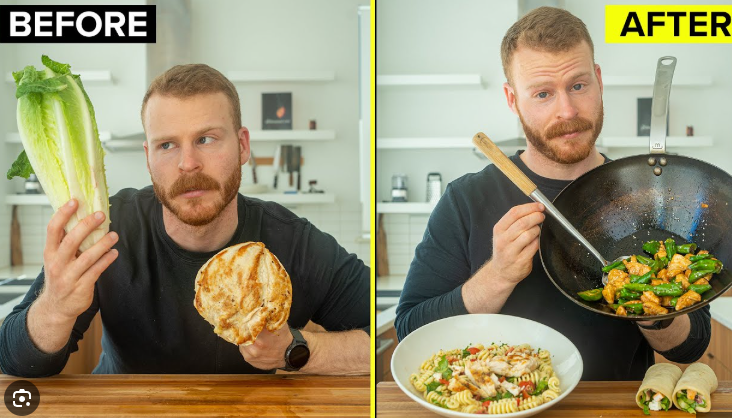
Simple Kitchen Changes for Healthier Meals
Creating healthier meals at home does not require a complete lifestyle overhaul or expensive ingredients. Often, the most meaningful improvements come from simple, consistent changes in how food is prepared and enjoyed. By making small adjustments in the kitchen, anyone can gradually build habits that support better nutrition while still keeping meals satisfying and enjoyable.
One of the easiest ways to start is by rethinking cooking methods. Many traditional techniques rely heavily on frying, which can add excess oil and calories. Switching to methods such as baking, steaming, grilling, or sautéing with minimal oil can significantly reduce unnecessary fats without sacrificing flavor. For example, roasting vegetables brings out their natural sweetness, while steaming preserves nutrients and texture. These approaches allow the ingredients themselves to shine, making meals both lighter and more flavorful.
Another helpful change is to prioritize whole ingredients over processed foods. Packaged meals and snacks often contain added sugars, sodium, and preservatives that can quietly affect overall health. By cooking more meals from scratch, it becomes easier to control what goes into each dish. Fresh vegetables, fruits, whole grains, and lean proteins provide a strong nutritional foundation and can be combined in countless ways. Even simple swaps, like choosing brown rice instead of white rice or fresh herbs instead of pre-made sauces, can make a noticeable difference over time.
Portion awareness is also an important factor in creating healthier meals. It is not only what we eat, but how much we eat that matters. Using smaller plates, serving balanced portions, and taking time to enjoy each bite can help prevent overeating. When meals are eaten slowly and mindfully, it becomes easier to recognize when the body feels satisfied. This approach supports a more natural relationship with food without the need for strict restrictions.
Incorporating more vegetables into daily meals is another straightforward yet powerful step. Vegetables are rich in vitamins, minerals, and fiber, all of which support overall well-being. Adding an extra serving of vegetables to familiar dishes can be as simple as mixing spinach into pasta, including peppers in stir-fries, or serving a side salad with dinner. Over time, these additions become second nature and contribute to a more balanced plate.
Flavor is often a concern when making healthier changes, but it does not have to be compromised. Herbs, spices, citrus, and natural seasonings can elevate dishes without relying on excess salt or sugar. Garlic, ginger, basil, turmeric, and lemon juice are just a few examples of ingredients that can enhance taste while offering additional health benefits. Experimenting with different combinations can make cooking more enjoyable and help prevent meals from feeling repetitive.
Planning ahead can also make a big difference in maintaining healthier habits. When meals are prepared in advance or ingredients are ready to use, it becomes easier to avoid last-minute choices that may not align with health goals. Simple strategies such as chopping vegetables ahead of time, cooking grains in batches, or preparing a weekly meal outline can save both time and effort. This preparation reduces stress and helps ensure that nourishing options are always within reach.
Hydration is another aspect that is often overlooked in the kitchen. While it may not seem directly related to meals, drinking enough water supports digestion and overall health. Replacing sugary beverages with water, herbal teas, or naturally flavored drinks can reduce added sugar intake and complement a balanced diet. Keeping a water bottle nearby while cooking and eating can serve as a gentle reminder to stay hydrated throughout the day.
Healthy cooking also involves creating a positive environment in the kitchen. When cooking feels like a chore, it is easy to rely on convenience foods. Turning meal preparation into an enjoyable activity can make a meaningful difference. Playing music, involving family members, or trying new recipes can transform cooking into a creative and rewarding experience. This shift in mindset encourages consistency and makes healthier choices feel more sustainable.
It is important to remember that balance is key. Completely eliminating favorite foods is rarely necessary and can make healthy eating feel restrictive. Instead, focusing on moderation allows room for enjoyment while still supporting overall well-being. A balanced approach might include preparing lighter versions of favorite dishes or enjoying treats occasionally without guilt. This flexibility helps maintain a positive relationship with food and makes long-term habits easier to sustain.
Another simple yet impactful change is paying attention to ingredient labels. Understanding what goes into packaged foods can help guide better choices. Looking for shorter ingredient lists, recognizing added sugars, and being mindful of sodium content can provide valuable insights. Over time, this awareness builds confidence in selecting products that align with healthier goals.
Kitchen organization can also support better habits. Keeping healthy ingredients visible and accessible encourages their use. For example, placing fresh fruit on the counter or storing pre-cut vegetables at eye level in the refrigerator makes them more likely to be chosen. At the same time, less nutritious options can be kept out of immediate reach, helping to reduce impulsive decisions.
Cooking at home offers an opportunity to connect with food in a meaningful way. It allows for creativity, experimentation, and a deeper appreciation of ingredients. By making small, manageable changes, healthier meals become a natural part of daily life rather than a difficult task. Over time, these changes can lead to improved energy, better overall health, and a greater sense of satisfaction with the foods we eat.
Ultimately, healthier cooking is not about perfection but about progress. Each positive step, no matter how small, contributes to a larger pattern of well-being. By focusing on simple adjustments such as cooking methods, ingredient choices, portion awareness, and meal planning, it is possible to create meals that are both nourishing and enjoyable. These changes do not require special skills or drastic measures, only a willingness to try new approaches and build habits gradually.
