Skill Development Frameworks for Greater Productivity
Skill Development Frameworks for Greater Productivity
Modern workplaces reward people who can learn quickly, adapt calmly, and organize tasks with confidence. A strong skill development framework helps individuals build productive habits without feeling overwhelmed. Instead of chasing every new trend, professionals can focus on practical growth that supports daily responsibilities and long term goals.
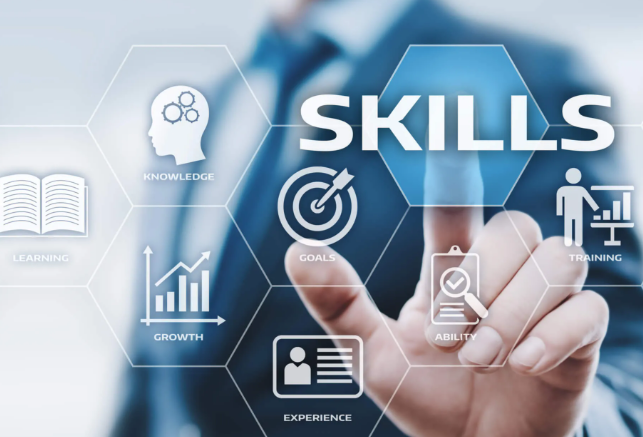
A useful framework begins with clear priorities. When people understand which skills matter most for their role, they can spend time more effectively. Communication, time management, creative thinking, and digital literacy often provide the greatest value across industries. Setting small weekly targets keeps progress steady and realistic.
Consistent learning also improves motivation. Short training sessions, guided workshops, podcasts, and peer discussions allow employees to absorb information in manageable steps. Many organizations encourage mentorship because experienced team members can share reliable advice and constructive feedback. This supportive environment strengthens confidence while reducing unnecessary stress.
Tracking progress is another important element. Simple evaluations, project reviews, and self assessments help individuals recognize improvement over time. Celebrating milestones can increase enthusiasm and encourage continued participation. Positive recognition often inspires teams to collaborate more openly and maintain healthier workflows.
Technology can further enhance productivity when used thoughtfully. Digital planning tools, shared calendars, and educational platforms simplify communication and reduce confusion. However, balance remains essential. Productive teams understand the importance of regular breaks, healthy routines, and realistic expectations.
Skill development frameworks are most effective when they support both professional performance and personal wellbeing. By encouraging steady improvement, respectful collaboration, and practical learning habits, organizations can create a more focused, adaptable, and productive workplace for everyone.
Employees who invest in learning often discover new opportunities for leadership and innovation. Managers also benefit from structured development because stronger teams require less supervision and communicate more clearly. With patience and consistency, a balanced framework can create productivity improvements that support sustainable success.