
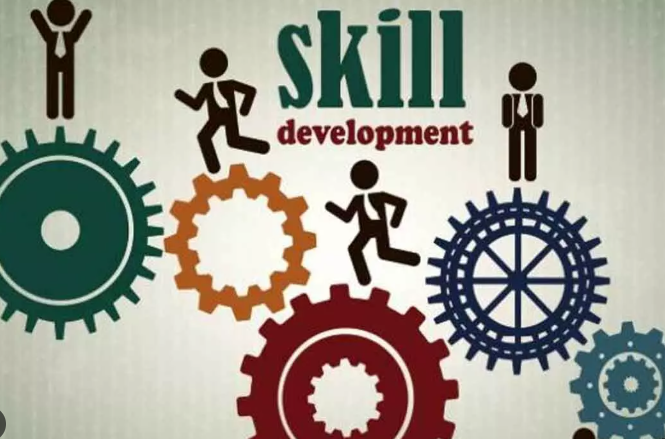
Skill Development Practices That Lead to Better Opportunities
Skill Development Practices That Lead to Better Opportunities
Skill development practices can open doors to better opportunities by helping people grow with confidence and purpose. Learning useful abilities does not require expensive programs or complicated methods. It begins with steady habits, curiosity, and a willingness to improve over time.
One effective practice is setting clear goals. When people know what they want to achieve, they can focus on the skills that matter most. Small, realistic targets make progress easier to track and keep motivation strong.
Consistent practice is another valuable habit. Repeating tasks regularly helps build understanding and increases confidence. Even a few minutes each day can lead to meaningful improvement over several months.
Seeking feedback also supports growth. Advice from teachers, mentors, and colleagues can highlight strengths and reveal areas that need attention. Constructive suggestions help learners refine their approach and develop more effective techniques.
Reading books, taking courses, and exploring trusted online resources can expand knowledge. These learning tools offer practical insights and fresh ideas that support personal and professional advancement.
Adaptability is equally important. Industries and technologies change, so staying open to new information helps people remain competitive and prepared for future roles.
Strong communication and time management skills enhance nearly every career path. They improve teamwork, productivity, and reliability.
By setting goals, practicing consistently, welcoming feedback, and staying adaptable, individuals can strengthen their abilities and create better opportunities for long term success in a changing world with confidence, resilience, and lasting professional value.
Employers and clients often appreciate individuals who show initiative and a commitment to learning. Building skills can increase confidence, support better decisions, and encourage independence. Over time, these practices may lead to rewarding projects, stable employment, and greater financial security. Continuous learning also fosters creativity and problem solving, allowing people to respond thoughtfully to challenges and make positive contributions to their communities.