
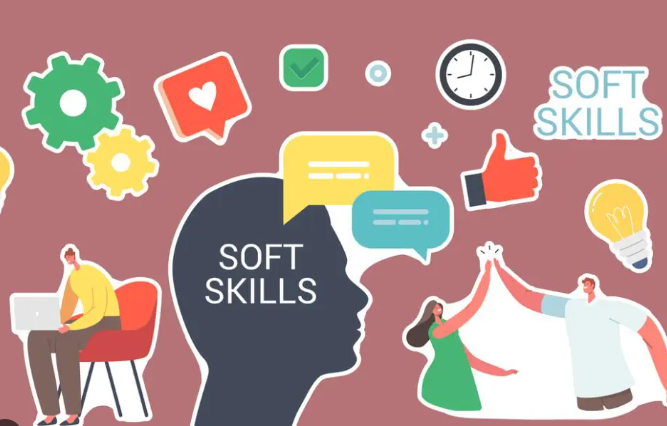
Skill Development Systems for Continuous Learning
Skill Development Systems for Continuous Learning
Skill development systems for continuous learning help people build knowledge in a steady and practical way. These systems combine clear goals, organized lessons, and regular practice to support growth over time. Whether someone wants to improve communication, leadership, digital abilities, or creative thinking, a structured approach makes progress easier to follow and more rewarding.
A well-designed learning system begins with identifying useful skills and setting realistic milestones. Short lessons and hands-on activities keep the experience engaging and manageable. Progress tracking tools, such as journals or dashboards, allow learners to review completed tasks and plan the next steps with confidence.
Continuous learning works best when it becomes part of a daily routine. Reading articles, joining workshops, watching tutorials, and applying new ideas to real projects can strengthen understanding. Feedback from mentors, colleagues, or peers also provides valuable insight and encouragement.
Organizations benefit when they support skill development systems for employees. Access to courses, coaching, and collaborative learning opportunities can improve adaptability and foster a culture of curiosity. Team members who keep learning are often better prepared to handle changing responsibilities and new technologies.
Skill development systems create a reliable path for lifelong learning. With consistent effort and thoughtful resources, individuals and teams can expand their abilities, stay motivated, and enjoy meaningful personal and professional growth in an ever-evolving world.
Flexible learning systems can be customized to match different schedules, interests, and experience levels. Some learners prefer self-paced online courses, while others enjoy group discussions and guided instruction. Mixing several methods can keep learning fresh and relevant. Celebrating small achievements builds momentum and reinforces positive habits. Over time, steady practice can increase confidence, strengthen problem-solving skills, and open doors to new opportunities. By focusing on practical knowledge and consistent improvement, continuous learning becomes an enjoyable journey that supports success for people in education.