
Smart Cooking for Better Nutrition
Smart Cooking for Better Nutrition
Smart cooking is one of the simplest ways to improve nutrition without giving up the foods you enjoy. The methods used in the kitchen can affect how much flavor, texture, and nutritional value remains in every meal. By choosing thoughtful cooking techniques and fresh ingredients, it becomes easier to prepare dishes that support overall wellness and provide balanced nourishment for the whole family.
Cooking at home offers more control over what goes into each recipe. Fresh vegetables, lean proteins, whole grains, legumes, and healthy fats create the foundation for nutritious meals. Preparing food from scratch also makes it possible to reduce excess sugar, sodium, and heavily processed ingredients that are often found in packaged products. This approach helps maintain a natural balance of nutrients while allowing flavors to shine.
One of the best cooking strategies for better nutrition is steaming. This gentle method preserves vitamins and minerals that can be lost during high-heat cooking. Vegetables such as broccoli, carrots, and green beans stay vibrant and tender while retaining much of their nutritional value. Steaming also requires little or no added fat, making it a practical choice for light and wholesome meals.
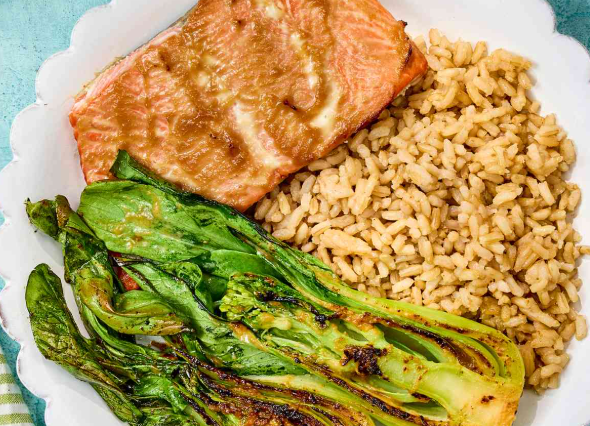
Baking and roasting are other effective methods that enhance flavor while supporting healthy eating. Roasted vegetables develop a rich taste, and baked fish or chicken can remain moist and satisfying. Using herbs, garlic, lemon juice, and spices instead of heavy sauces adds depth without overwhelming the natural qualities of the ingredients. These simple seasonings contribute both flavor and variety.
Sautéing with a small amount of heart-friendly oil is another smart option. Oils such as olive oil can help cook vegetables, tofu, and lean meats quickly while preserving texture and color. The key is to use moderate heat and avoid overcooking. Shorter cooking times help protect nutrients and maintain a fresh, appealing taste.
Meal planning is an important part of smart cooking. Preparing ingredients ahead of time makes it easier to create balanced dishes during busy days. Washed vegetables, cooked grains, and portioned proteins can be combined into salads, soups, stir-fries, and grain bowls. This reduces the temptation to rely on less nutritious convenience foods and encourages consistent healthy choices.
Portion awareness also contributes to better nutrition. Filling half the plate with colorful vegetables, adding a serving of protein, and including whole grains creates a satisfying and balanced meal. This combination supports energy, fullness, and variety.
Smart cooking does not require complicated recipes or expensive ingredients. Small adjustments in preparation methods can make everyday meals more nutritious and enjoyable. With fresh foods, thoughtful techniques, and simple seasonings, cooking becomes a practical way to support better nutrition and a healthier lifestyle.


