
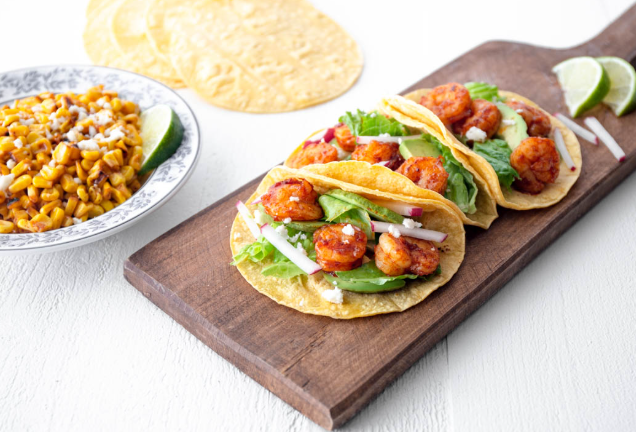
Smart Cooking for Nutritious Results
Smart cooking is not about complicated techniques or expensive ingredients. It is about making thoughtful choices that help you prepare meals that are both delicious and nourishing. In a world where convenience often takes priority over quality, learning how to cook smarter can transform your daily routine and improve your overall well-being. By focusing on balance, efficiency, and mindful preparation, anyone can create meals that support a healthy lifestyle without feeling overwhelmed.
One of the most important aspects of smart cooking is understanding the value of whole ingredients. Fresh vegetables, fruits, whole grains, and lean proteins provide essential nutrients that processed foods often lack. Choosing ingredients in their natural form allows you to control what goes into your meals, reducing unnecessary additives, excess salt, and unhealthy fats. It also helps you build a stronger connection with the food you eat, making meals more satisfying both physically and mentally.
Planning ahead is another key element. When you take time to think about your meals in advance, you are less likely to rely on last-minute options that may not be as nutritious. Simple planning can include preparing ingredients in batches, organizing your pantry, or setting aside time to cook a few meals for the week. This approach not only saves time but also reduces stress, making healthy eating more consistent and accessible.
Cooking methods play a major role in preserving nutrients. Techniques such as steaming, baking, grilling, and sautéing with minimal oil can help retain the natural goodness of ingredients. Overcooking, on the other hand, can reduce the nutritional value of foods, especially vegetables. Paying attention to cooking times and temperatures ensures that your meals remain both flavorful and beneficial.
Smart cooking also involves balancing flavors and nutrients. A well-rounded meal typically includes a mix of carbohydrates, proteins, and healthy fats. For example, combining whole grains with vegetables and a source of protein creates a satisfying dish that keeps you energized throughout the day. Adding herbs and spices enhances flavor without relying on excessive salt or sugar, making meals more enjoyable while supporting better health.
Portion awareness is another important consideration. Even nutritious foods can be less beneficial when consumed in excess. Learning to recognize appropriate portion sizes helps maintain balance and prevents waste. Using smaller plates, serving meals thoughtfully, and listening to your body’s signals can make a meaningful difference in how you approach eating.
Reducing food waste is closely connected to smart cooking. Making use of leftovers, storing food properly, and finding creative ways to repurpose ingredients can stretch your resources while supporting sustainability. For example, leftover vegetables can be turned into soups or stir-fries, and ripe fruits can be blended into smoothies. These small adjustments not only save money but also encourage a more mindful approach to consumption.
Another valuable strategy is keeping your kitchen organized. A clean and well-arranged cooking space makes meal preparation more efficient and enjoyable. When ingredients and tools are easy to find, you spend less time searching and more time focusing on the cooking process itself. This can make a significant difference, especially on busy days when time is limited.
Hydration and cooking go hand in hand. Many people focus on food but overlook the importance of water in maintaining overall health. Incorporating water-rich foods such as fruits and vegetables into your meals can support hydration while adding natural flavor and texture. Soups, salads, and lightly cooked dishes are excellent ways to include these elements in your routine.
Smart cooking is also about adapting to your personal needs and preferences. There is no one-size-fits-all approach to nutrition. Some people may prefer plant-based meals, while others include a variety of animal-based proteins. The key is to find a balance that works for your lifestyle and supports your health goals. Being flexible and open to trying new ingredients or techniques can make cooking more enjoyable and sustainable in the long term.
Time management is another factor that often determines whether people cook at home or choose less nutritious alternatives. Simple strategies such as using quick recipes, preparing ingredients in advance, or cooking in larger quantities can make a big difference. Even dedicating a short amount of time each day to cooking can lead to healthier habits over time.
It is also helpful to focus on mindful eating. Taking the time to enjoy your meals without distractions allows you to appreciate flavors and textures while recognizing when you are satisfied. This practice can improve digestion and help prevent overeating. Cooking at home naturally supports mindful eating, as you are more involved in the process from start to finish.
Food safety should always be part of smart cooking. Proper handling, storage, and cooking of ingredients help prevent foodborne illnesses and ensure that meals are safe to consume. Washing produce thoroughly, keeping raw and cooked foods separate, and cooking foods to appropriate temperatures are simple but important practices.
Another benefit of smart cooking is the opportunity to build skills and confidence in the kitchen. As you experiment with different recipes and techniques, you become more comfortable and efficient. Over time, cooking becomes less of a chore and more of a creative and rewarding activity. This shift in perspective can have a positive impact on your overall lifestyle.
Smart cooking also encourages a sense of balance rather than strict limitation. Enjoying a variety of foods, including occasional treats, can make your eating habits more sustainable. The goal is not perfection but consistency. Making thoughtful choices most of the time allows room for flexibility without compromising your overall health.
Incorporating seasonal ingredients is another way to enhance both nutrition and flavor. Seasonal produce is often fresher, more affordable, and more nutrient-dense. It also adds variety to your meals, keeping your diet interesting and diverse throughout the year.
Finally, smart cooking is about creating habits that support long-term well-being. Small, consistent changes can lead to meaningful improvements over time. Whether it is choosing fresh ingredients, planning meals, or trying new cooking methods, each step contributes to a healthier and more balanced lifestyle.
By focusing on simple, practical strategies, anyone can make cooking a more positive and nourishing experience. Smart cooking is not about restriction or complexity but about making informed choices that support both your health and your enjoyment of food.
