
Smart Cooking Techniques for Home Meals
Smart Cooking Techniques for Home Meals
Cooking at home has become more popular as people search for healthier habits, better budget control, and enjoyable family experiences. Preparing meals in your own kitchen can also encourage creativity and help reduce dependence on heavily processed foods. While home cooking may seem challenging at first, learning a few smart cooking techniques can make daily meal preparation faster, easier, and more enjoyable.
One of the most effective cooking habits is planning meals ahead of time. Meal planning helps reduce food waste and lowers stress during busy weekdays. By deciding what to cook in advance, families can shop more efficiently and avoid unnecessary purchases. A simple weekly plan can include breakfast ideas, lunch options, and dinner recipes that use similar ingredients. This approach saves money while keeping meals balanced and satisfying.
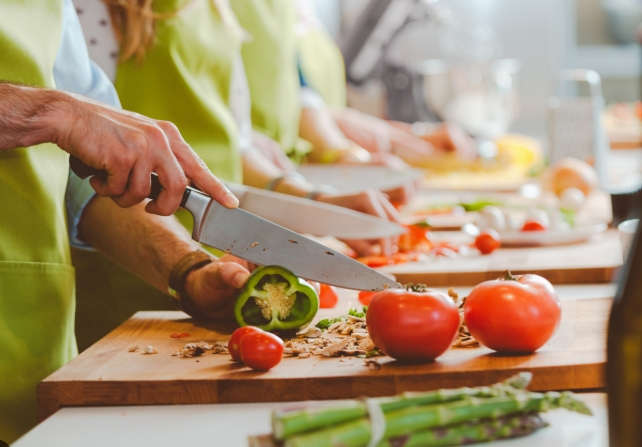
Another valuable technique is preparing ingredients before cooking. Professional chefs often organize vegetables, spices, sauces, and proteins before turning on the stove. This method, sometimes called mise en place, allows home cooks to stay focused and avoid mistakes. Chopping vegetables in advance or measuring spices ahead of time can make cooking smoother and more relaxing.
Using the right cooking tools can also improve kitchen efficiency. Sharp knives, cutting boards, measuring cups, and quality cookware help create better results with less effort. Nonstick pans can simplify cleanup, while slow cookers and pressure cookers help save time on busy days. Air fryers have also gained attention because they can produce crispy textures with less oil compared to traditional frying methods.
Temperature control is another important skill for successful home cooking. Many cooking problems happen because heat levels are too high or too low. Cooking on medium heat often allows flavors to develop evenly without burning ingredients. Simmering soups gently instead of boiling them aggressively can improve texture and preserve flavor. Learning how heat affects food can make meals taste more consistent and enjoyable.
Seasoning food correctly is equally important. Salt, herbs, spices, garlic, lemon juice, and natural sauces can transform simple ingredients into flavorful dishes. Instead of relying on excessive amounts of sugar or processed seasonings, home cooks can experiment with fresh herbs and balanced spice combinations. Adding seasoning gradually during cooking allows flavors to build naturally without overpowering the meal.
Smart cooking also includes understanding healthy preparation methods. Grilling, steaming, roasting, and baking are often preferred because they use less oil while preserving nutrients. Roasted vegetables can develop rich flavor with minimal ingredients, while steamed fish or chicken can remain moist and tender. These methods help create meals that feel satisfying without being overly heavy.
Batch cooking is another technique that benefits busy households. Preparing larger portions of soups, rice, grilled proteins, or pasta sauces allows families to store meals for later use. Refrigerating or freezing leftovers can reduce cooking time during the week. Batch cooking can also help reduce the temptation to order fast food after a long workday.
