
Tips for a Leaner and Healthier Body
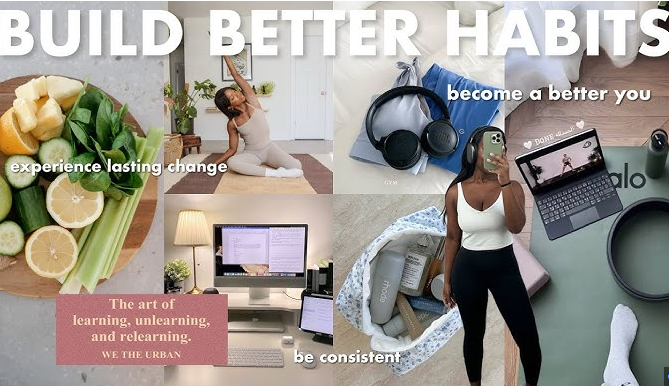
Creating a leaner and healthier body is a goal many people share, but the path to achieving it doesn’t have to be extreme or overwhelming. In fact, the most sustainable approach is often the simplest one: building consistent habits that support both physical and mental well-being. By focusing on balance rather than perfection, you can make meaningful progress while still enjoying your daily life.
A good place to start is with your mindset. Instead of viewing health as a short-term project, think of it as a long-term lifestyle. Quick fixes and restrictive trends may promise fast results, but they rarely last. A steady, realistic approach allows your body to adapt gradually, reducing the likelihood of burnout or setbacks. When you shift your focus toward long-term wellness, every small improvement becomes part of a bigger picture.
Nutrition plays a central role in shaping a leaner body. Rather than cutting out entire food groups, aim for a balanced intake that includes a variety of whole foods. Fresh vegetables, fruits, lean proteins, whole grains, and healthy fats all contribute to overall health. Paying attention to portion sizes can also make a difference, as it helps prevent overeating without the need for strict rules. Drinking enough water throughout the day supports digestion, energy levels, and appetite control, making it a simple yet powerful habit.
Consistency matters more than perfection when it comes to eating habits. It’s perfectly normal to enjoy occasional treats, and allowing yourself that flexibility can actually make your routine more sustainable. When you remove the pressure to be perfect, you are more likely to stick with healthy choices over time. Listening to your body’s hunger and fullness cues is another valuable skill that helps you build a more intuitive relationship with food.
Physical activity is another key component of a lean and healthy body. You don’t need an intense workout routine to see benefits. Regular movement, such as walking, cycling, or light strength training, can significantly improve your fitness and overall well-being. The goal is to find activities you genuinely enjoy, because enjoyment increases the likelihood that you will stay consistent. Even small amounts of daily activity can add up over time and contribute to noticeable improvements.
Strength training deserves special attention because it helps build lean muscle mass, which in turn supports a healthy metabolism. You can start with simple bodyweight exercises and gradually increase intensity as your strength improves. Combining strength exercises with moderate cardiovascular activity creates a balanced fitness routine that supports both endurance and muscle tone.
Rest and recovery are often overlooked, yet they are essential for achieving lasting results. Sleep plays a crucial role in regulating hormones, supporting muscle repair, and maintaining energy levels. Aim for a consistent sleep schedule that allows your body to fully recharge. Managing stress is equally important, as chronic stress can interfere with your progress and overall health. Simple practices like deep breathing, spending time outdoors, or engaging in hobbies can help you maintain a sense of balance.
Another helpful strategy is setting realistic and measurable goals. Instead of focusing only on appearance, consider goals related to strength, endurance, or daily habits. For example, you might aim to take a certain number of steps each day or prepare more meals at home. These types of goals are often more motivating because they are within your control and can be tracked over time. Celebrating small achievements along the way helps maintain momentum and reinforces positive behavior.
Your environment can also influence your success. Keeping healthy food options easily accessible and creating a space that encourages movement can make it easier to stay on track. Surrounding yourself with supportive people, whether friends, family, or a community with similar goals, can provide motivation and accountability. Positive influences can make the journey feel less like a challenge and more like a shared experience.
It’s important to recognize that progress may not always be linear. There will be times when you feel more motivated and times when it’s harder to stay consistent. Instead of viewing setbacks as failures, treat them as opportunities to learn and adjust your approach. Being patient with yourself allows you to maintain a healthy perspective and continue moving forward.
Tracking your progress can be helpful, but it’s best to use multiple indicators rather than relying on a single measure. Changes in energy levels, mood, strength, and overall well-being are just as important as physical changes. By paying attention to a broader range of outcomes, you gain a more complete understanding of your progress.
Building a leaner and healthier body is not about following strict rules or chasing perfection. It’s about creating a lifestyle that supports your well-being in a realistic and enjoyable way. When you focus on consistency, balance, and self-awareness, the results tend to follow naturally. Over time, these habits become part of your routine, making it easier to maintain your progress without feeling restricted.
In the end, the most effective approach is one that fits your individual needs and preferences. There is no one-size-fits-all solution, and what works best for you may differ from someone else’s experience. By staying flexible and open to adjustments, you can continue refining your routine and discovering what helps you feel your best.
A leaner and healthier body is not just about physical appearance; it’s also about feeling stronger, more energized, and more confident in your daily life. With patience, consistency, and a balanced approach, you can achieve lasting results while maintaining a positive and sustainable lifestyle.
