
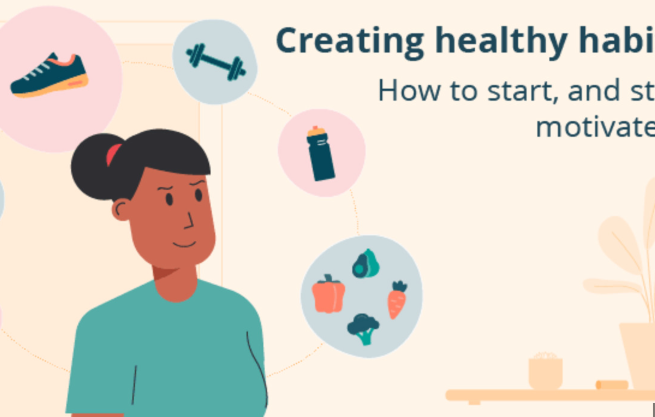
Tips for Building a Healthy Routine
Creating a healthy routine is one of the most practical ways to support long-term well-being, yet it often feels overwhelming at the start. The idea of changing daily habits can seem like a major life overhaul, but in reality, a strong routine is built from small, consistent actions that gradually become second nature. Instead of chasing perfection, the goal is to create a balanced structure that fits naturally into your life and supports both your physical and mental health.
A good place to begin is by understanding your current patterns. Before adding anything new, take a few days to observe how you already spend your time. Notice when you feel most energetic, when you tend to feel tired, and how your daily choices affect your mood. This awareness provides a realistic foundation for change and helps you avoid setting expectations that are too rigid or unrealistic.
One of the most important elements of a healthy routine is consistency. Waking up and going to bed at roughly the same time each day helps regulate your body’s internal clock. Sleep plays a critical role in concentration, emotional balance, and overall health, so even small improvements in your sleep schedule can make a noticeable difference. Rather than aiming for a drastic shift, adjust your bedtime gradually until it feels comfortable and sustainable.
Nutrition is another key factor, but it doesn’t need to be complicated. A healthy routine includes regular meals that provide a balance of nutrients. Instead of focusing on strict rules or restrictive diets, aim for variety and moderation. Eating at consistent times can also help stabilize energy levels throughout the day. Simple habits, such as staying hydrated and including whole foods more often, can have a meaningful impact over time.
Physical activity is equally important, yet it is often misunderstood as requiring intense workouts or long hours at the gym. In reality, movement can be simple and enjoyable. A daily walk, light stretching, or short exercise sessions can all contribute to better health. The key is to choose activities you genuinely enjoy, as this increases the likelihood that you will stick with them. When exercise feels like a natural part of your day rather than a chore, it becomes much easier to maintain.
Mental well-being deserves just as much attention as physical health. A healthy routine should include moments of rest and reflection. This could be as simple as taking a few minutes to breathe deeply, journaling your thoughts, or stepping away from screens. Creating space for mental clarity helps reduce stress and improves focus. Over time, these small pauses can make your day feel more balanced and manageable.
Another useful tip is to build your routine around priorities rather than obligations. Instead of filling your schedule with tasks you feel you “should” do, focus on what genuinely supports your well-being. This might include time for hobbies, social connections, or personal growth. When your routine aligns with your values, it becomes more meaningful and easier to maintain.
Flexibility is often overlooked but is essential for long-term success. Life is unpredictable, and a rigid routine can quickly become frustrating if it doesn’t allow for adjustments. A healthy routine should guide your day, not control it. If something doesn’t go as planned, it’s important to adapt rather than give up entirely. Progress is not about perfection, but about consistency over time.
Setting realistic goals can also make a big difference. Instead of trying to change everything at once, focus on one or two habits at a time. For example, you might start by improving your sleep schedule or adding a short daily walk. Once that habit feels natural, you can gradually introduce another. This step-by-step approach reduces overwhelm and increases the chances of lasting change.
Your environment plays a powerful role in shaping your routine. Small adjustments, such as organizing your space or preparing items in advance, can make healthy choices easier. For instance, keeping a water bottle nearby can encourage hydration, while setting out comfortable clothes can make it easier to stay active. When your surroundings support your goals, you rely less on motivation and more on simple, automatic actions.
It is also helpful to track your progress in a way that feels encouraging rather than stressful. This could involve noting how you feel after certain activities or recognizing small improvements in your energy and mood. Positive reinforcement helps build momentum and keeps you motivated. At the same time, it is important to be patient with yourself. Meaningful change takes time, and setbacks are a natural part of the process.
Social support can further strengthen your routine. Sharing your goals with friends or family members can provide accountability and encouragement. Even casual conversations about healthy habits can create a sense of connection and motivation. However, it is important to remember that your routine should reflect your own needs and preferences, not someone else’s expectations.
Technology can be both helpful and distracting, so it’s worth using it mindfully. Tools such as reminders or simple planning apps can help you stay organized, but too much screen time can interfere with focus and rest. Setting boundaries, such as limiting device use before bedtime, can improve both sleep quality and mental clarity.
As your routine develops, it is important to revisit and adjust it regularly. What works for you now may need to change as your circumstances evolve. A healthy routine is not a fixed set of rules, but a flexible system that grows with you. By staying attentive to your needs, you can ensure that your routine continues to support your well-being over time.
Ultimately, building a healthy routine is about creating a lifestyle that feels sustainable and rewarding. It is not about strict discipline or constant productivity, but about finding a rhythm that allows you to feel balanced, energized, and focused. By starting small, staying consistent, and allowing room for flexibility, you can gradually build habits that support a healthier and more fulfilling life.
