
Tips for Supporting Long-Term Wellness
Supporting long-term wellness is not about quick fixes or extreme changes. It is a steady, thoughtful process that blends physical health, mental balance, and daily habits into a sustainable lifestyle. Many people begin their wellness journey with enthusiasm, only to lose momentum when results are not immediate. The key is to shift focus from short-term outcomes to consistent, manageable practices that can be maintained over time.
One of the most important foundations of long-term wellness is building routines that feel natural rather than forced. Instead of overhauling your entire lifestyle overnight, small adjustments tend to be more effective. Choosing to wake up at a consistent time, adding a short walk to your day, or preparing meals at home a few times a week can gradually create a structure that supports well-being. These actions may seem simple, but their cumulative effect over months and years can be significant.
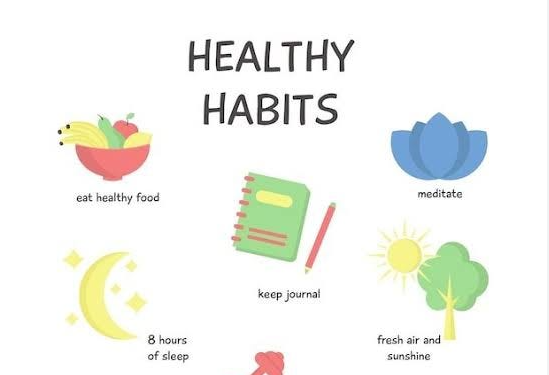
Nutrition plays a central role in maintaining wellness, yet it does not need to be complicated. A balanced approach that includes a variety of whole foods such as fruits, vegetables, grains, and proteins can provide the body with essential nutrients. Rather than focusing on restriction, it is often more helpful to think about adding nourishing options into your meals. This mindset encourages a positive relationship with food, which is easier to sustain in the long run.
Physical activity is another pillar of long-term wellness, but it does not have to involve intense or time-consuming workouts. The most effective form of exercise is one that you enjoy and can maintain consistently. Whether it is walking, swimming, cycling, or dancing, regular movement helps support both physical health and mental clarity. It can also serve as a valuable break from daily stress, offering a moment to reset and recharge.
Mental well-being is equally important and often overlooked. Stress, if left unmanaged, can affect both the mind and body. Developing simple practices such as mindful breathing, journaling, or spending time in nature can help create a sense of calm and balance. It is also helpful to stay connected with others, as supportive relationships can provide encouragement and perspective during challenging times.
Sleep is another essential component that should not be underestimated. Consistent, restful sleep supports energy levels, concentration, and overall health. Creating a bedtime routine, limiting screen time before sleep, and maintaining a comfortable sleep environment can improve sleep quality over time. Even small improvements in sleep habits can lead to noticeable benefits in daily life.
Setting realistic goals is a powerful way to stay motivated. Instead of aiming for perfection, focusing on progress allows for flexibility and growth. Life circumstances change, and wellness routines should adapt accordingly. If a routine becomes difficult to maintain, it is not a failure but an opportunity to reassess and make adjustments that better fit your current situation.
Another helpful approach is to pay attention to how your body and mind respond to different habits. Wellness is not a one-size-fits-all concept, and what works for one person may not work for another. Being mindful of your own needs allows you to make informed choices that support your individual well-being. This awareness can also help prevent burnout by ensuring that your efforts remain balanced and sustainable.
Consistency often matters more than intensity. Engaging in moderate, regular habits is generally more beneficial than occasional bursts of extreme effort. For example, a daily ten-minute activity can be more impactful over time than a single long session once a week. This principle applies to many aspects of wellness, including exercise, nutrition, and stress management.
It is also important to allow room for enjoyment and flexibility. Long-term wellness should enhance your life, not feel like a burden. Allowing yourself to enjoy occasional treats, take rest days, or change routines can help maintain a healthy balance. This approach reduces the pressure to be perfect and makes it easier to stay committed over time.
Tracking progress can provide motivation and insight. This does not need to be overly detailed or rigid. Simple methods such as noting how you feel, observing changes in energy levels, or recognizing improvements in mood can be enough to keep you engaged. These observations can serve as reminders of the benefits of your efforts, reinforcing your commitment to wellness.
Education can also play a supportive role. Learning about different aspects of health can help you make informed decisions and avoid common misconceptions. However, it is important to rely on credible sources and avoid information that promotes unrealistic expectations or quick fixes. A balanced perspective can help you stay focused on sustainable practices.
Environment can influence your ability to maintain wellness habits. Creating a space that supports healthy choices can make a significant difference. This might include keeping nutritious foods readily available, setting up a comfortable area for relaxation, or organizing your schedule to include time for self-care. Small changes in your surroundings can make positive behaviors more accessible.
Another valuable aspect of long-term wellness is self-compassion. There will be times when routines are disrupted or goals are not met. Instead of being overly critical, it is more helpful to acknowledge these moments and continue moving forward. A supportive mindset encourages resilience and helps maintain motivation even during setbacks.
Time management is closely linked to wellness. Many people struggle to prioritize their well-being due to busy schedules. Allocating even a small portion of your day to activities that support your health can make a difference. Planning ahead and setting realistic expectations can help ensure that wellness remains a consistent part of your routine.
Hydration is often overlooked but plays a vital role in overall health. Drinking enough water throughout the day supports bodily functions and can improve energy levels. Developing a habit of regular hydration is a simple yet effective way to contribute to long-term wellness.
Incorporating variety into your routine can prevent boredom and keep you engaged. Trying new activities, recipes, or relaxation techniques can add interest and excitement to your wellness journey. This variety helps maintain motivation and encourages continuous growth.
Ultimately, supporting long-term wellness is about creating a lifestyle that aligns with your values and needs. It is not defined by strict rules or perfection but by consistency, balance, and adaptability. By focusing on small, meaningful changes and maintaining a positive mindset, it is possible to build habits that support your well-being over time.
The journey toward long-term wellness is ongoing and personal. Each step, no matter how small, contributes to a larger picture of health and balance. With patience and commitment, these efforts can lead to lasting improvements that enhance both your daily life and overall sense of well-being.
