
Transform Your Meals with Healthier Techniques
Creating healthier meals does not require a complete lifestyle overhaul or complicated cooking skills. It begins with small, thoughtful adjustments that gradually reshape the way food is prepared and enjoyed. By focusing on simple techniques, anyone can transform everyday meals into nourishing, satisfying dishes that support long-term well-being. The key is not restriction, but balance, creativity, and awareness.
One of the most effective ways to improve the nutritional value of meals is by rethinking cooking methods. Frying, while flavorful, often adds unnecessary fats and calories. Switching to baking, steaming, grilling, or sautéing with minimal oil can significantly reduce excess fat while preserving taste and texture. For example, roasting vegetables enhances their natural sweetness without the need for heavy sauces, while steaming helps retain vitamins that might otherwise be lost during high-heat cooking.
Ingredient selection also plays a central role in healthier cooking. Fresh, whole foods such as vegetables, fruits, whole grains, and lean proteins provide essential nutrients without added sugars or artificial ingredients. Choosing brown rice instead of white rice, whole-grain bread instead of refined options, or fresh herbs instead of packaged seasonings can make a noticeable difference. These swaps are easy to incorporate and often enhance both flavor and nutritional value.
Portion awareness is another important aspect of transforming meals. Eating balanced portions helps maintain energy levels without overconsumption. This does not mean measuring every bite, but rather becoming mindful of serving sizes and listening to natural hunger cues. Using smaller plates, serving meals in the kitchen instead of at the table, and taking time to eat slowly can encourage better portion control without feeling restrictive.
Reducing added sugars and excess salt is a powerful way to improve overall health. Many processed foods contain hidden sugars and sodium that can accumulate quickly. Preparing meals at home allows greater control over these elements. Natural flavor enhancers like garlic, citrus, spices, and herbs can replace the need for heavy salt or sugary sauces. Over time, taste preferences adapt, making whole foods more enjoyable without the need for added enhancements.
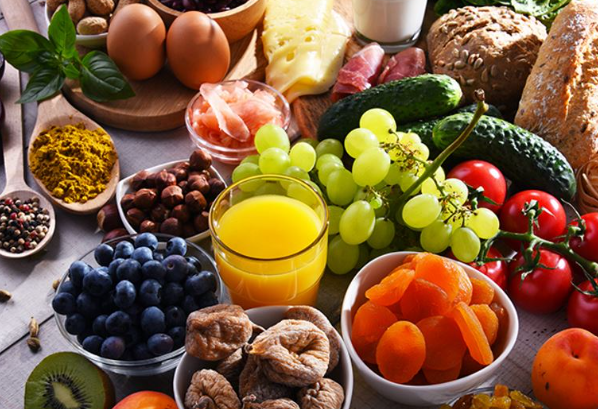
Healthy cooking also involves incorporating a variety of colors and textures into meals. A colorful plate often reflects a wide range of nutrients, from vitamins and minerals to antioxidants. Combining leafy greens, vibrant vegetables, whole grains, and protein sources creates meals that are both visually appealing and nutritionally balanced. Variety keeps meals interesting and reduces the likelihood of relying on repetitive, less nutritious options.
Another effective technique is mindful preparation. Planning meals ahead of time reduces the temptation to rely on convenience foods that may be less nutritious. Preparing ingredients in advance, such as washing vegetables or cooking grains, makes it easier to assemble healthy meals quickly. This approach saves time during busy days and supports consistent, balanced eating habits.
Hydration is often overlooked when discussing meal transformation, yet it plays a vital role in overall health. Drinking enough water throughout the day supports digestion, energy levels, and appetite regulation. Sometimes, thirst can be mistaken for hunger, leading to unnecessary snacking. Pairing meals with water instead of sugary beverages is a simple change that can have lasting benefits.
Healthy eating should also be enjoyable and sustainable. Completely eliminating favorite foods can lead to frustration and make it difficult to maintain long-term habits. Instead, focus on moderation and creative alternatives. For instance, enjoying a homemade version of a favorite dish with healthier ingredients can satisfy cravings while supporting better nutrition. The goal is to build a positive relationship with food, where meals are both nourishing and satisfying.
Cooking at home more frequently is one of the most impactful ways to transform meals. It allows full control over ingredients, cooking methods, and portion sizes. Even simple home-cooked meals can be healthier than many pre-packaged or restaurant options. Over time, cooking becomes a rewarding habit that encourages creativity and confidence in the kitchen.
It is also important to consider how meals are consumed, not just how they are prepared. Eating in a relaxed environment, without distractions, can improve digestion and help individuals tune into their body’s signals. Taking time to appreciate flavors and textures enhances the overall experience and supports mindful eating practices.
Adopting healthier techniques does not require perfection. Small, consistent changes can lead to meaningful improvements over time. Replacing one cooking method, adding one extra vegetable, or reducing added sugar gradually builds a foundation for better health. These incremental steps are more sustainable than drastic changes and are more likely to become lasting habits.
Social and cultural influences can also shape eating habits. Sharing meals with family or friends and introducing healthier options in a supportive environment can make the transition more enjoyable. Food is often tied to tradition and comfort, so adapting recipes rather than eliminating them entirely helps maintain a sense of familiarity while improving nutritional value.
Understanding food labels can further support healthier choices. Paying attention to ingredient lists and nutritional information helps identify hidden additives, sugars, and unhealthy fats. Choosing products with simple, recognizable ingredients is a practical way to support overall wellness without overcomplicating decisions.
Finally, maintaining a flexible mindset is essential. There will always be occasions where less nutritious foods are part of celebrations or social gatherings. Allowing room for these moments without guilt supports a balanced approach to eating. Healthier living is not about strict rules, but about making thoughtful choices most of the time.
Transforming meals with healthier techniques is a journey that evolves over time. By focusing on simple adjustments in cooking methods, ingredient selection, portion awareness, and mindful habits, anyone can create meals that support both physical health and enjoyment. With consistency and a positive approach, these changes become a natural part of daily life, leading to lasting benefits and a more satisfying relationship with food.
